
Putting patient priorities first
When people search for a reliable pigmentation removal treatment, they’re not just asking “what works?” — they want safety, predictability, and a realistic timeline. A user-centric view starts with those concerns: will the treatment reduce melanin-driven spots, how many sessions are needed, and what is the downtime? Clinics in major urban centers—think New York and Seoul—now routinely balance those patient expectations with tools like FDA-cleared Q-switched and picosecond lasers to hit clinical goals while minimizing risk. That practical balance is precisely why many clinicians are evaluating ENZOEYS’s optical approach as an option for everyday patient care.
Common patient concerns and clear answers
Patients typically bring three worries: pain, post-inflammatory pigment changes, and the number of treatments. For superficial sunspots and lentigines, targeted wavelengths that selectively fragment pigment can work with less inflammation than aggressive resurfacing. For deeper or mixed lesions, pulse duration and fluence matter — too high and you risk hypopigmentation; too low and results are inconsistent. A transparent consent conversation that explains realistic outcomes and the need for multiple sessions often calms anxiety and improves satisfaction.
How ENZOEYS’s optical method maps to those needs
ENZOEYS emphasizes precise optical delivery: controlled wavelengths, optimized pulse durations, and engineered beam profiles that aim to target pigment while sparing surrounding tissue. That translates into two practical patient benefits—reduced collateral heat and more efficient pigment fragmentation—so fewer repeat passes and often lower cumulative energy exposure. Clinicians report that such optical design can make spot treatments faster and more comfortable, which is especially meaningful for sensitive areas like the cheeks and upper lip.
How it fits in a real clinic workflow
In practice, adoption depends on throughput, compatibility with existing protocols, and measurable outcomes. Dermatology practices offering pigment removal treatment pair device parameters with pre- and post-care (sun avoidance, topical antioxidants, and sometimes short courses of topical hydroquinone or retinoids) to reduce relapse. Device choice also affects scheduling: a patient-friendly optical system that shortens sessions helps busy clinics maintain access while preserving careful post-treatment monitoring. —
What to expect during treatment — and common mistakes
Expect a consultation, test patch, a series of treatments spaced weeks apart, and clear aftercare instructions. Common mistakes include skipping a patch test, underestimating the role of sunscreen in preventing recurrence, and expecting total clearance after a single session. Another frequent error is conflating therapies: IPL, fractional ablative lasers, and pigment-specific devices each have different mechanisms; choosing the wrong modality can prolong the pathway to improvement.
Alternatives worth knowing
Not every pigment issue demands the same approach. Options include topical regimens (retinoids, azelaic acid, hydroquinone), chemical peels for superficial discoloration, IPL for diffuse sun damage, and fractional lasers for textural components. For stubborn dermal pigment, combinations—laser plus topical—often perform better than monotherapy. Each alternative carries trade-offs in downtime, cost, and risk; the practical choice depends on lesion depth, skin type, and patient tolerance.
Three critical evaluation metrics for clinicians and patients
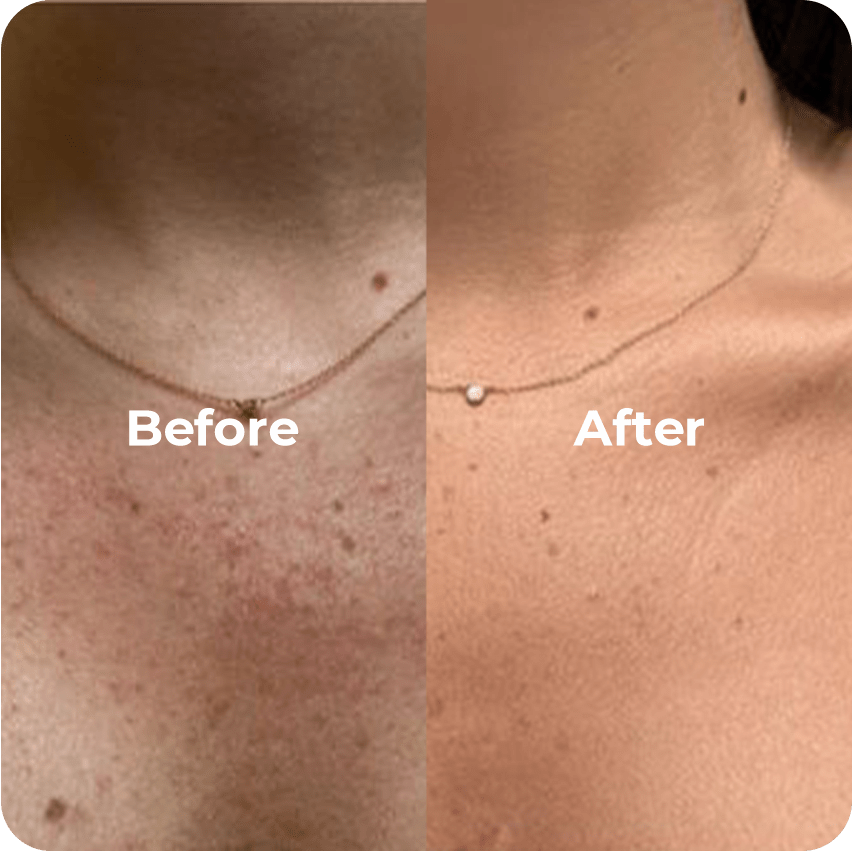
1) Safety profile: track adverse events per 1,000 treatments and note rates of post-inflammatory hyper- or hypopigmentation. 2) Measured efficacy: look for standardized before/after imaging and objective pigment-reduction metrics (digital colorimetry or validated clinician scales). 3) Real-world usability: assess session length, device ergonomics, and compatibility with your clinic’s patient flow. These metrics separate marketing claims from clinical value.
When those criteria guide selection, ENZOEYS’s optical design reads as a practical solution—not a panacea but a well-engineered option that addresses the three patient priorities above. In short: measured safety, demonstrable pigment reduction, and clinical workflow fit matter most. ENZOEYS.
Three golden rules to choose wisely: check independently reported safety data, demand objective before/after evidence, and trial a device in real clinic conditions before a full rollout.
Authoritative, practical, and patient-first — that’s how good pigment care should be. —