
Introduction
Ever stood at a service bay and wondered how one small spark could shut down a whole plant? I have — and it sticks with you. non sparking sockets are at the heart of that worry, because a wrong strike or the wrong alloy can spell disaster in fuel-rich spaces. Recent site audits I’ve seen show that roughly 20–30% of handheld tool incidents trace back to inappropriate sockets or torque tools used in hazardous zones; that’s not trivial, hey. So what actually keeps those edges safe: material choice, tool design, or user habits?
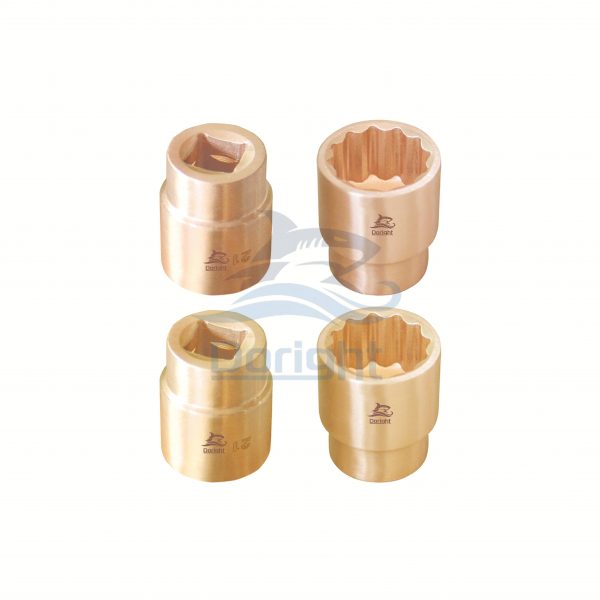
Picture a shift hand tightening flanges in a dusty refinery — low light, tired hands, a stubborn bolt. (Eish, we’ve all been there.) When you mix human strain with volatile vapors, small choices get amplified: a steel socket vs a bronze, a worn driver vs a certified non-sparking kit. I’ll walk you through what I’ve learned on the floor, share simple checks you can run, and ask the tough questions managers often skip. Let’s move into the nuts and bolts — literally — and see where the weak links hide.
Deeper Layer: Why Traditional Fixes Fall Short
non sparking impact sockets are sold as the go-to answer, and they’re vital — but the common fixes many sites use miss the point. Too often teams swap a single socket set and call it done, without checking torque calibration, material compatibility, or tool condition. I’ve watched crews rely on old impact drivers and assume safety standards follow automatically. That’s not how it works. Intrinsic safety isn’t just a label; it’s a system: alloys, surface finishes, and mechanical design must work together. Add in edge computing nodes or remote monitoring in modern plants, and you need tools that play well with digital maintenance regimes too.
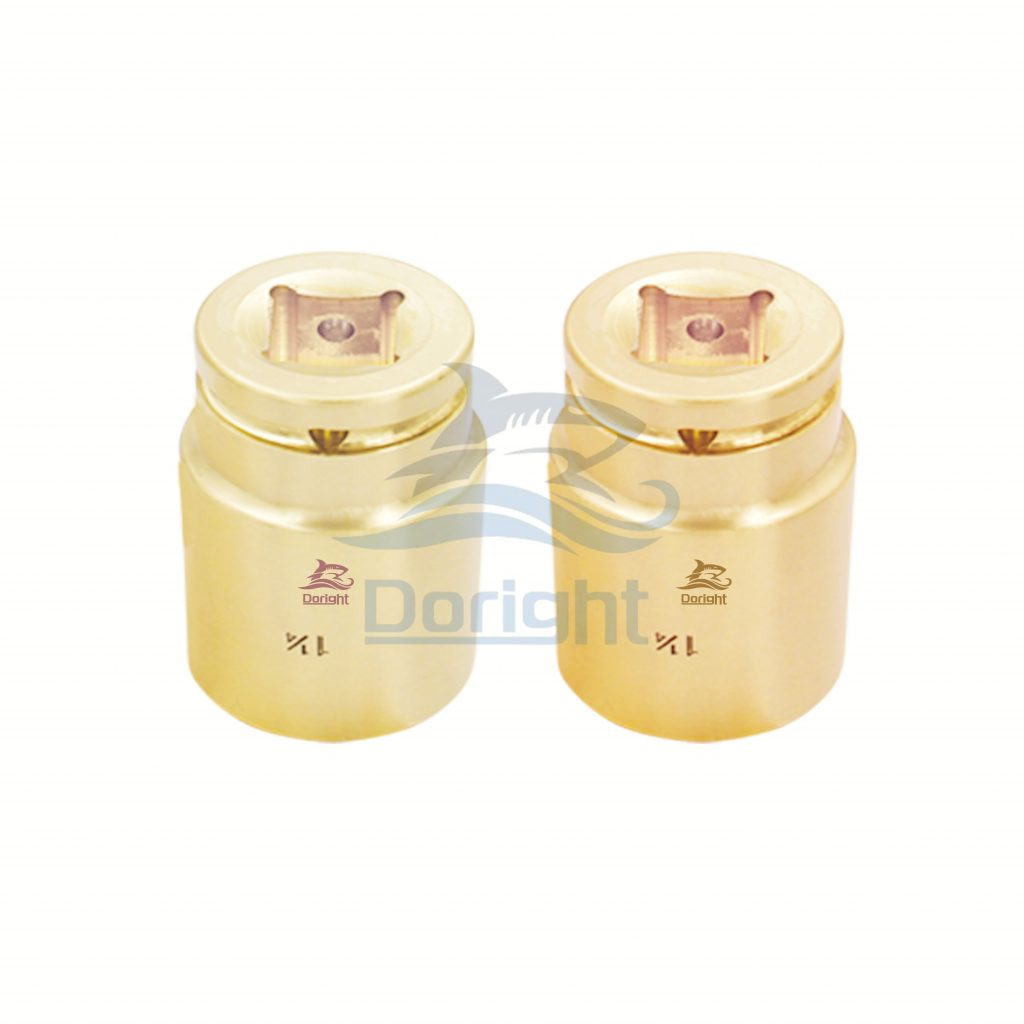
Look, it’s simpler than you think — but it’s easy to get lazy. Classic traps: using hardened steel where aluminum-bronze would prevent sparking, ignoring corrosion at contact points, or failing to record torque curves after repeated impacts. The result? Hidden wear, micro-chipping, and eventually a spark path where none should exist. If you treat sockets as disposable, you’re courting risk. I want teams to stop patching symptoms and fix root causes — torque verification, scheduled replacement, and materials checks. — funny how that works, right?
What’s really failing?
Forward Outlook: Principles for Next-Gen Non-Sparking Tools
We need principles, not band-aids. A new generation of tools — think better bronze alloys, refined surface treatments, and smarter tool telemetry — can cut incidents down. The design principle I keep coming back to is redundancy: redundant safety through material choice plus design safeguards. A proper non-sparking impact socket balances hardness and ductility so it resists wear without creating brittle chips. When you pair that with calibrated impact drivers and clear maintenance logs (and yes, simple firmware on your torque tools), you get predictable performance. Consider the modern non-sparking impact socket as an engineered component in a safety chain, not a single-item purchase.
From a practical stance, adopt three simple habits: test torque before and after use, swap out sockets at the first sign of micro-damage, and log every high-load event. I’ve trialed systems where sensors flag unusual torque spikes and maintenance teams respond before a visual failure — and that saved downtime. These steps also help when facilities are comparing vendors or planning upgrades. — short pause — and they make training straightforward: fewer rules, clearer checks, honest accountability. Real-world gains happen when teams accept small upfront effort for large downstream returns.
Evaluation Metrics to Use
When you judge tools, I recommend these three metrics: (1) Material resistance index — alloy composition and wear rate; (2) Torque fidelity — how well the socket preserves expected torque curves under repeated impacts; and (3) Traceability — serialisation, maintenance logs, or sensor data for each tool. Use these to compare options and to set procurement specs. I’ll be blunt: if a kit can’t answer those three, don’t buy it.
Summing up: fix the system, not the symptom. Choose tools that match your environment, check them often, and make maintenance data part of your safety story. I’ve seen teams transform safety records with modest changes — small investments, lasting returns. If you want a solid starting point, check out practical offerings and accessories from Doright.