
Introduction: A Quiet Lesson in How Teams Hear
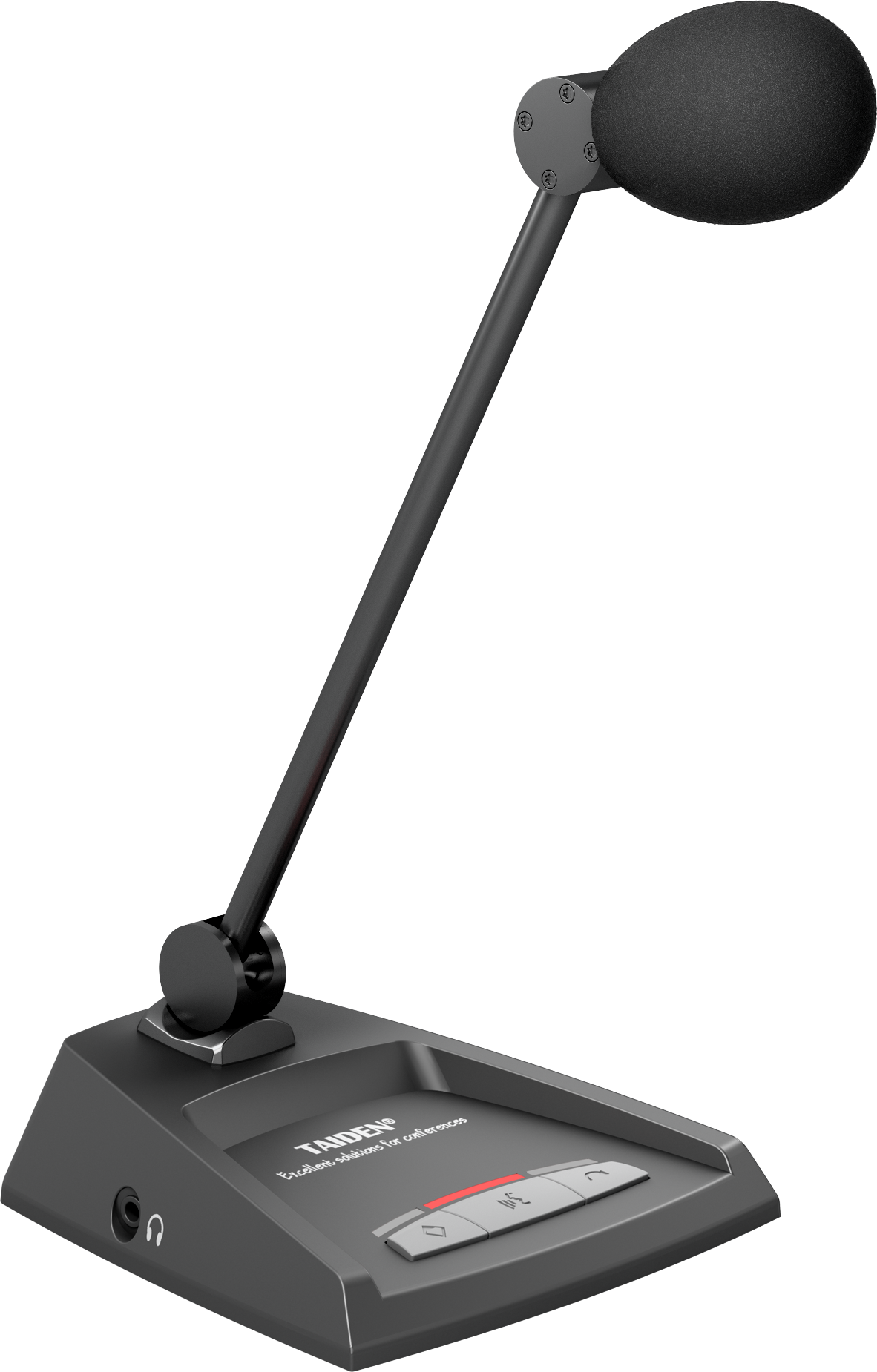
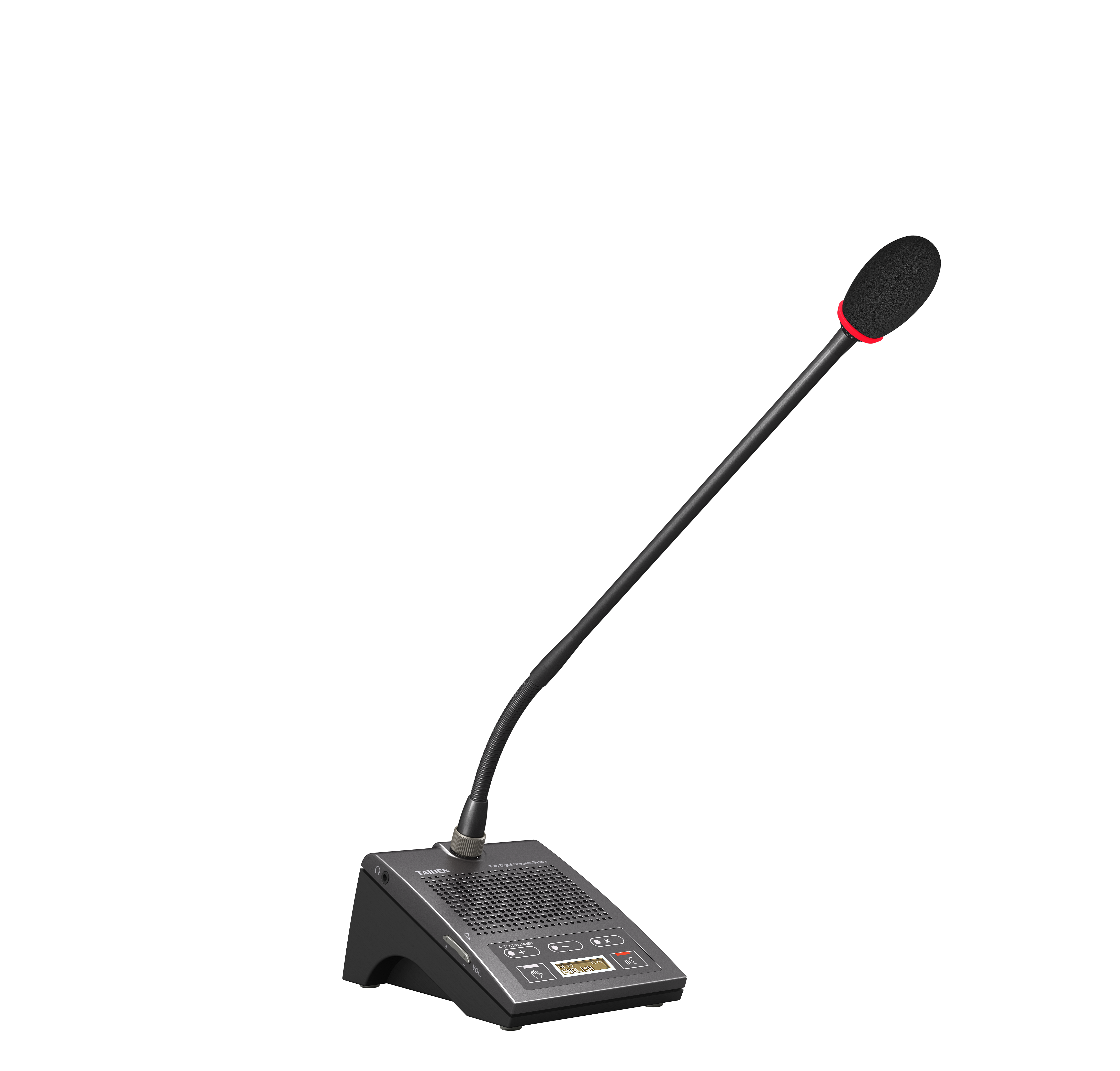
I once walked into a boardroom where a team was testing options from a mic manufacturer, hopeful and a little tense. The conference room mic system sat in the center, blinking like a tiny lighthouse as people dialed in from three cities. In two hours of notes, we found something simple: 1 in 4 phrases had to be repeated, and remote folks gave up on speaking first. The room was not loud. It was unclear. So, is the fix about buying bigger mics—or about choosing how sound is captured in the first place (and how it flows)?
Here is the real question. When stakes are high and time is short, do we hear people—or do we hear rooms? Many teams think volume solves the issue. Yet data shows clarity and timing shape trust more than loudness does. Echo makes people pause. Delay makes people talk over each other. And fatigue spreads. The meeting ends, but doubt lingers—funny how that works, right? This is where a calm, smart approach can help. Let’s step into what separates a quick fix from a lasting change, and why that difference moves outcomes, not just sound.
Deeper Than Loudness: The Hidden Gaps Traditional Mics Leave
Why do legacy setups struggle?
Technical truth first. Many legacy tabletop or ceiling mics are omnidirectional. They capture voices and the room shell. Hard walls feed early reflections into the capsule. Without beamforming or a tuned digital signal processor (DSP), the noise floor climbs, and acoustic echo cancellation works harder than it should. Add switch‑mode power converters under the table, and you pick up a faint buzz that rides the signal. The latency budget then stretches as software tries to clean what should have been focused at the source. Look, it’s simpler than you think: if the pickup isn’t selective, every downstream step has to overcorrect.
Consider the chain. Auto-mixing fights side talk. Far-end audio leaks into near-end mics. Network hops on a Dante or AES67 link add jitter if clocking is loose. When AEC, noise suppression, and gain sharing are split across devices, they chase one another instead of working as a unit. The result is talk-over, clipped starts, and listener fatigue—none of which show up on a neat spec sheet. Some teams add more mics, but that often widens the problem by raising open channels and reverb tail. A better design pushes intelligence to the edge computing nodes in the array, cleans signals before they hit the network, and keeps timing tight from table to cloud.
From Fixes to Foresight: Comparing What’s Coming Next
What’s Next
Let’s compare two paths with a future lens. Old systems say “capture everything, fix later.” New systems say “know the voice, ignore the rest.” The difference lives in principles, not price tags. Neural beamforming tracks a talker as they turn. Adaptive gain sharing keeps total room gain constant, so side comments don’t swamp the floor. Near‑field AEC inside the mic array reduces tail before the signal hits the switch. And end‑to‑end timing stays under 20 ms, so the remote and local feel like one room—not two rooms stitched together. When a top microphone manufacturer aligns DSP, clocking, and power over Ethernet in one design, the call flows. People stop repeating the first three words of every sentence. Meetings end earlier, with decisions that stick.
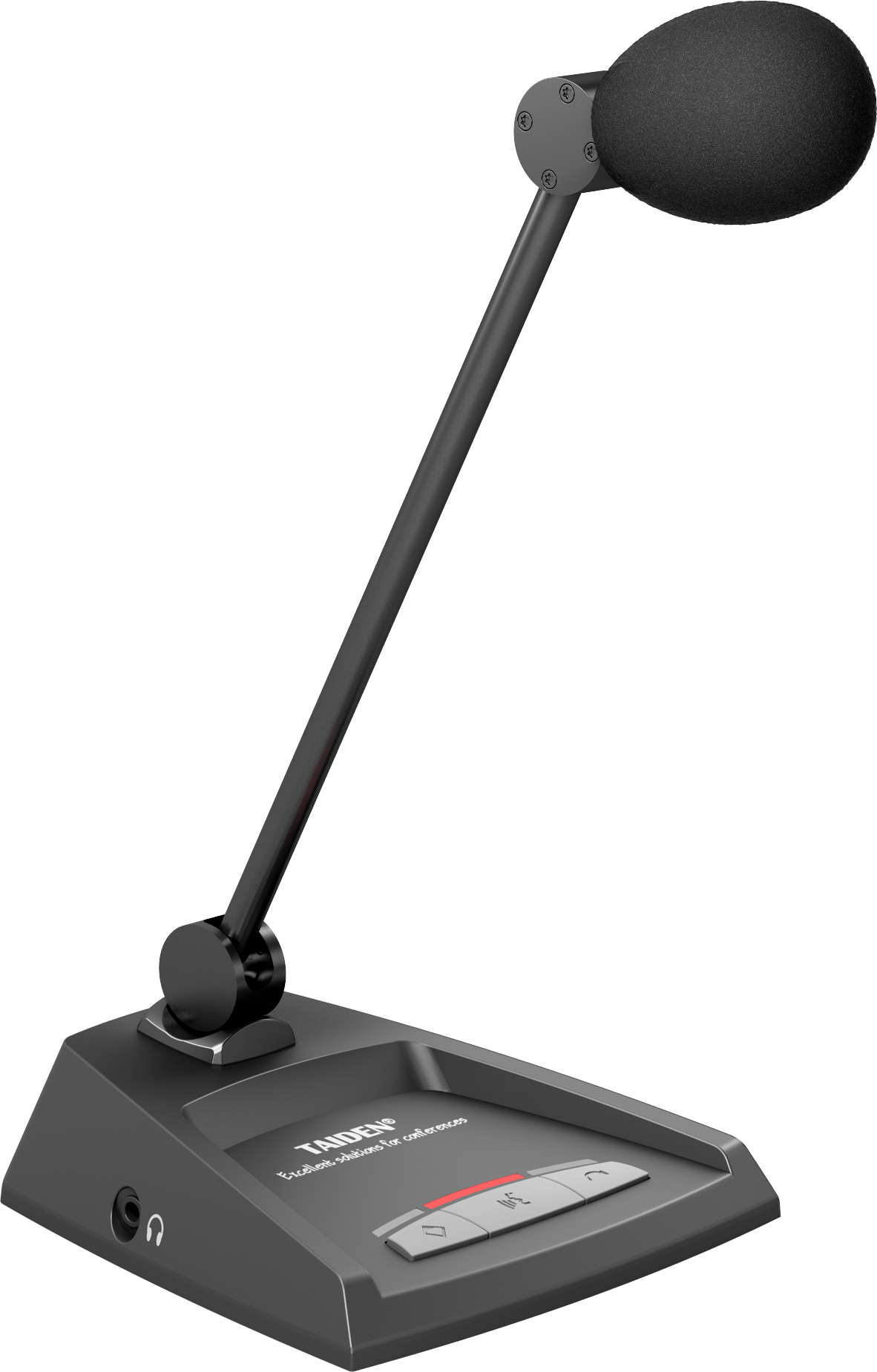
This isn’t magic. It’s coherent architecture—mic capsules matched to processing, processing matched to transport, transport matched to control. Redundant network paths protect the stream. Profiles switch modes for boardrooms, huddle spaces, and multipurpose halls. And yes, analytics matter: heat maps show where people actually speak, not where we guess they sit. That guides layout and saves spend later. The lesson is gentle but clear: selective capture reduces compute, and reduced compute lowers delay, which raises confidence. In other words, good choices upstream calm the whole chain downstream. Advisory to close: choose with three checks in mind. One, intelligibility where it counts—listen tests in your real room, not a lab. Two, verified latency from capsule to cloud under load. Three, integrated AEC, auto-mix, and noise suppression that are designed to work together, not bolted on—because mismatched parts create hidden churn. When those three are true, people speak sooner, and they listen longer—exactly what meetings are for.
For teams seeking steady craft over noise, the journey is simple in spirit and careful in practice. Build for clarity at the source, for timing in the path, and for trust at the ear. Brands that knit those pieces well stand out, including TAIDEN.