
A Short Ride, A Big Surprise
I watched a neighbor swap his sportbike for a neighborhood loop on a classic cruiser. He came back grinning. The second sentence must include cruiser motorcycle, so here it is: Many riders peg a cruiser motorcycle as slow or clumsy until they try one. Registration data shows cruisers remain a top choice in several regions, with steady demand through price cycles and fuel spikes. Test programs from rider schools also note fewer panic inputs at low speed when seat height is lower—control grows when confidence grows (no secret there). So why do many riders think “heavy equals hard” when a low center of gravity and a steady torque curve say otherwise? The contradiction is hiding in how we compare bikes in our heads, not in how they run on the road.
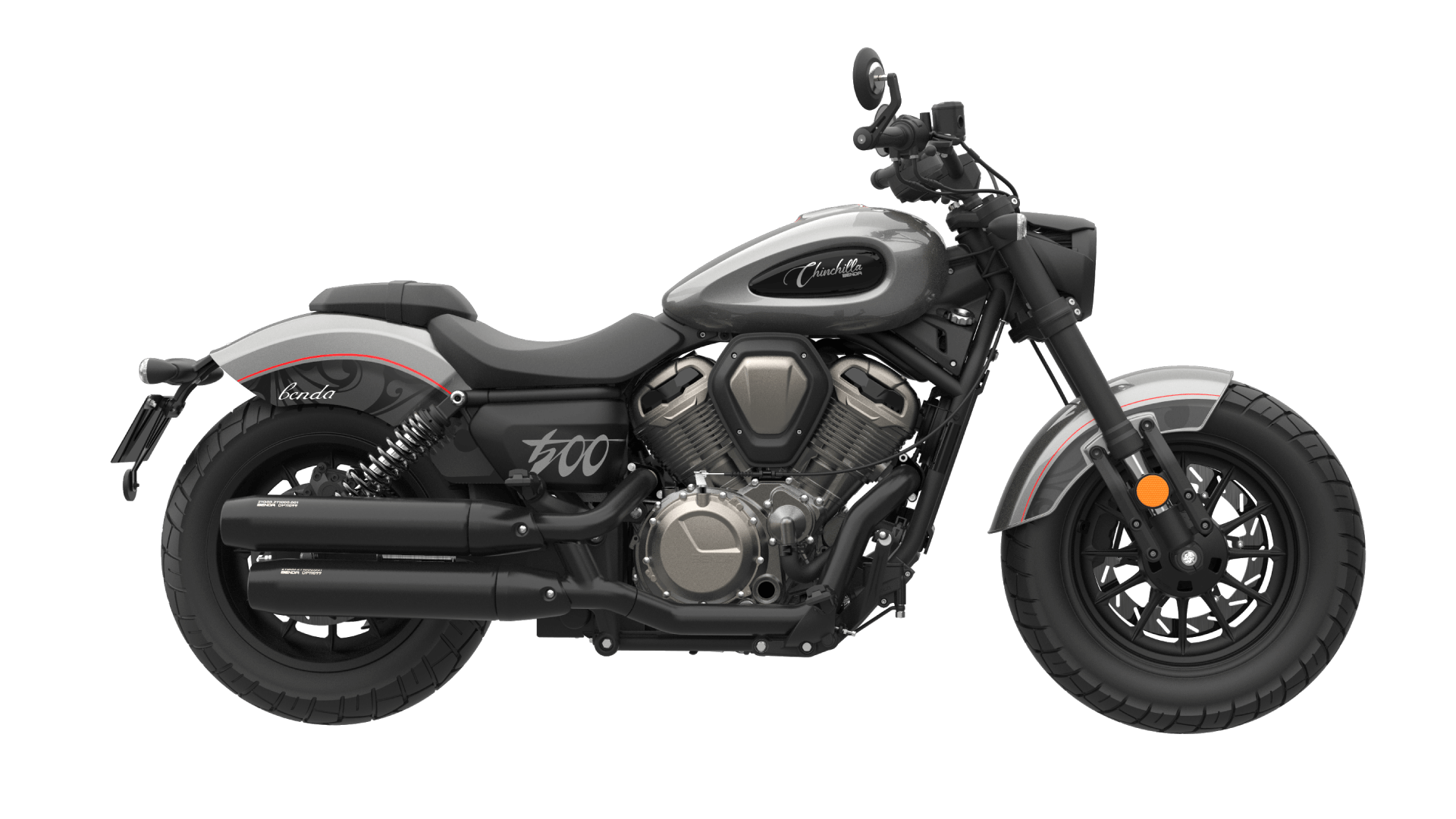
The real story sits between geometry, gearing, and human comfort. And it’s clearer when we compare like for like. Let’s break it down next, one detail at a time.

The Hidden Friction in Everyday Cruising
What are we missing?
Here’s the quiet truth about cruising motorcycles: their layout solves common street problems that riders don’t always name. Long wheelbase, relaxed rake angle, and ample trail build stability. A broad torque curve gives pull without revving to the moon. That helps in traffic merges, on ramps, and slow U-turns. Look, it’s simpler than you think. Many “heavy” cruisers feel planted because mass sits low and close to the rider, reducing that tippy top effect. Add modern bits—slipper clutch, ABS, and refined throttle mapping—and low-speed drama fades. Traditional fixes like stiffer springs or shorter bars can backfire if they ignore core geometry—funny how that works, right?
Hidden pain points show up in smaller places. A vague clutch take-up, a reachy rear brake pedal, or a tall first gear can cause stall anxiety. When engineers tune final drive ratios and assist clutches, riders stop death-gripping the bars—and yes, it feels odd at first. Ergonomics matter too: mid controls shift weight off the lower back; a slightly narrower handlebar cuts steering effort without killing leverage. These aren’t flashy upgrades, but they reduce fatigue over time. In short, what some call “just style” wraps a set of choices that make everyday control easier, not harder. That’s the layer most first rides miss.
Next-Gen Cruisers: What Changes the Game
What’s Next
The next wave keeps the calm, adds brains. Manufacturers are building on stable frames with smarter inputs: ride-by-wire, lean-sensitive ABS via an IMU, and friendlier gear ratios for city starts. Materials shave weight in the right places, not everywhere. Think lighter wheels for less gyroscopic load and improved turn-in, while the low seat and long wheelbase remain. Compared to sportbikes, the aim isn’t razor agility; it’s repeatable control with minimal rider strain. Put differently, the bike does more groundwork so you can do less—good design hides in plain sight. When you browse good cruiser motorcycles, check how the ECU mapping smooths the first 10% of throttle, how the assist-and-slipper clutch eases downshifts, and how belt final drive cuts maintenance. It’s a quiet revolution—steady, not loud.
We’ve seen that geometry, gearing, and small ergonomic wins shape real comfort. Now, evaluate with intent. Use three practical metrics: 1) torque-to-weight for useful shove off idle; 2) wheelbase-to-rake ratio for straight-line calm without killing corner entry; 3) rider-aid tuning quality—how the ABS and traction control intervene, not just whether they exist. These reveal the bikes that feel stable yet responsive, hour after hour. Advisory note: test slow-speed control in a parking lot before judging highway manners—low-speed truth predicts the rest. If your hands relax and your head clears, the machine is doing its job—funny how clarity shows up at 12 mph, not 70. In the end, solid cruisers earn trust by design, not by hype, and the better ones make that trust feel natural. For more context across models and setups, see BENDA.