
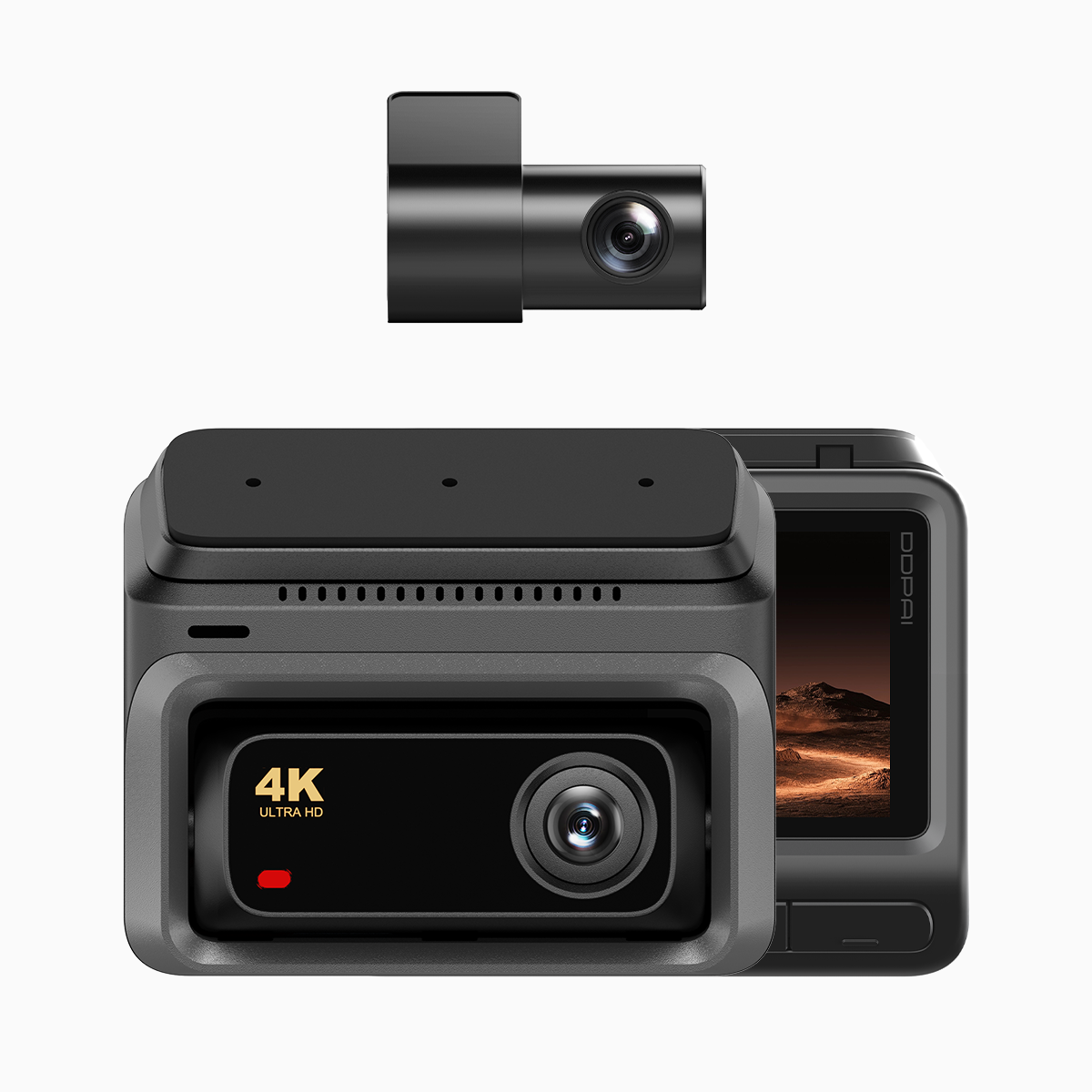
Recognizing the Problem: Why Rain Kills Visibility
Heavy rainy-season downpours blunt a dash cam’s ability to capture useful footage because raindrops scatter light, reduce contrast, and force the sensor into higher gain. This problem is acute in urban centers during monsoon months—think Metro Manila’s heavy rains—where reflections from wet roads and low ambient light combine to overwhelm small sensors. If you plan to rely on a dual setup with parking mode and remote upload, choosing a unit with sensible aperture control and robust low-light performance matters. For many users, a 4g dash cam or a cloud dash cam that balances aperture, ISO handling, and dynamic range provides the only reliable record when incidents happen at night or during storms.
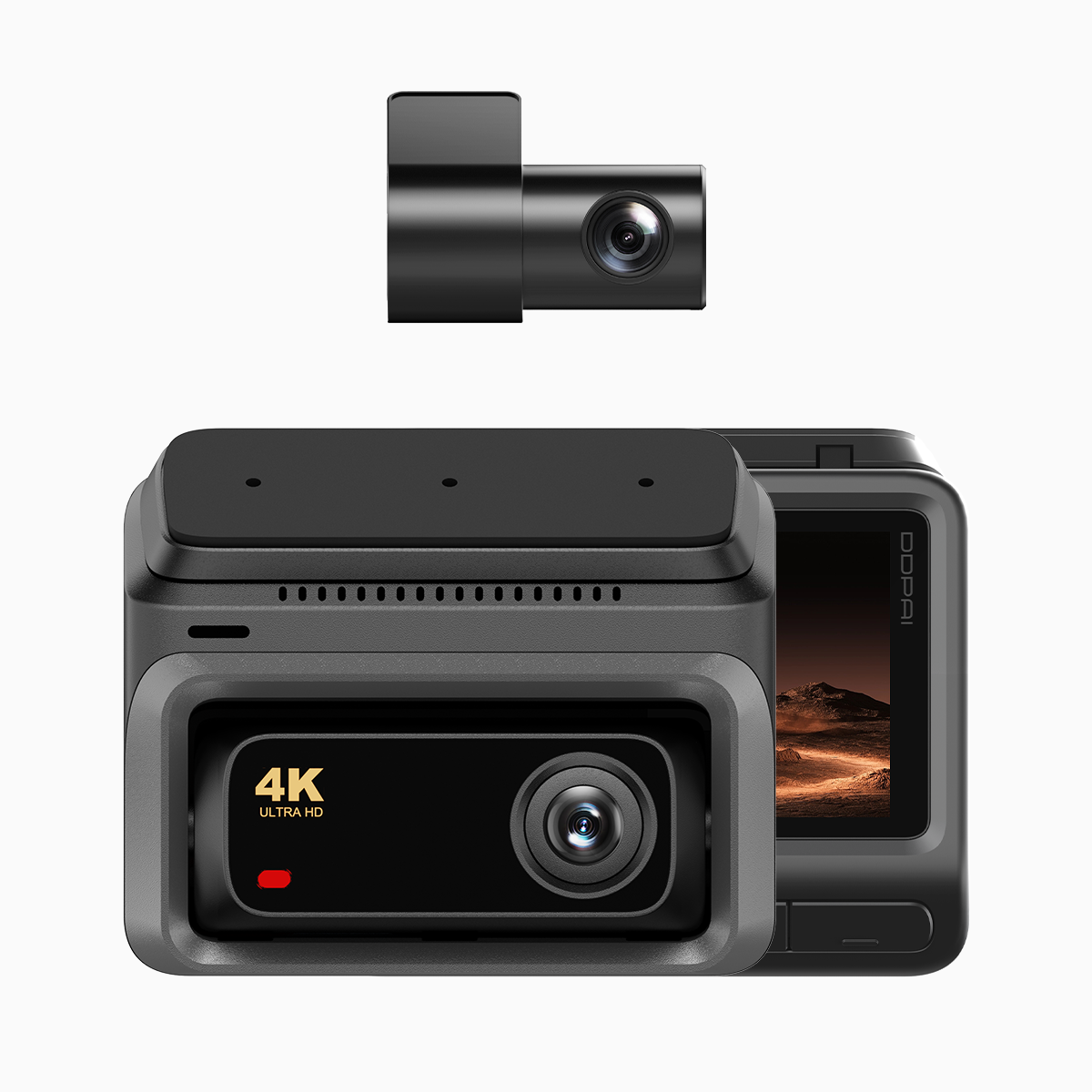
How Aperture Drives Sensor Sensitivity
Aperture controls how much light reaches the sensor; a wider aperture increases exposure without forcing excessive ISO, which introduces noise. In practical terms: prioritize a wider aperture in the front camera so the main sensor can operate at lower gain and retain dynamic range. That reduces motion blur while preserving headlights and brake lights as usable details. Keep an eye on the spec sheet for aperture (f-number), native ISO performance, and whether the camera supports HDR processing—those are the core hardware and software levers that determine low-light clarity.
Step-by-Step Settings to Improve Night and Rain Capture
Follow these clear adjustments in this order to get meaningful footage when the weather turns sour. First, set aperture to its widest practical setting if adjustable. Second, lower in-camera noise reduction but raise exposure compensation slightly to avoid blown highlights from wet surfaces. Third, keep frame rate moderate—30 fps—so each frame gets more light. Fourth, enable parking mode with event-triggered recording so the camera focuses bandwidth and storage on critical moments rather than continuous, low-quality video. These steps improve signal-to-noise ratio and maximize useful detail in frames.
Hardware and Network Considerations
Sensor and lens quality are non-negotiable: larger sensors with good photodiodes and optics with low distortion outperform tiny, cheap modules. Also, if you want remote access, confirm 4G connectivity and cloud integration—those features let you retrieve clips even if the card is damaged. A cloud dash cam with a reliable parking mode and fallback upload strategy prevents evidence loss after a flooding event or theft. Look for heat management and power-draw specs too; parking mode drains batteries if the camera lacks efficient standby behavior.
Common Mistakes and How to Avoid Them
People often crank ISO to compensate for darkness—this creates grain that masks license plates and faces. Another frequent error is trusting default contrast and sharpening; those make raindrops pop and obscure real detail. Don’t mount the lens too close to the windshield wiper path where spray blurs the view. —A simple fix is an angled mount or hydrophobic coating on the glass to keep a clearer line of sight.
Comparing Alternatives: What to Choose
Compare dual configurations by weighing aperture rating, sensor size, and parking mode intelligence. Low-light specialists prioritize larger apertures and better dynamic range; networked models prioritize 4G and cloud upload. If you need continuous high-fidelity night recording, select hardware with proven HDR and low-light firmware optimizations. For crews or fleet operators, durability and consistent upload via cellular are the deciding factors.
Advisory: Three Golden Rules for Selecting and Setting Up
1) Prioritize aperture and sensor size over megapixel count—wider aperture yields more usable frames in rain. 2) Balance ISO and exposure: keep ISO as low as possible while accepting slight exposure lift to retain details. 3) Choose a dual dash cam with intelligent parking mode and reliable 4G/cloud support to preserve critical clips when you can’t retrieve the vehicle immediately.
DDPAI Philippines makes these practical benefits tangible with hardware and cloud services that match the rainy-season demands of Southeast Asian roads—DDPAI Philippines. —Reliable capture in harsh conditions isn’t luck; it’s the right aperture, sensor, and network working together.