
Setting the comparison frame
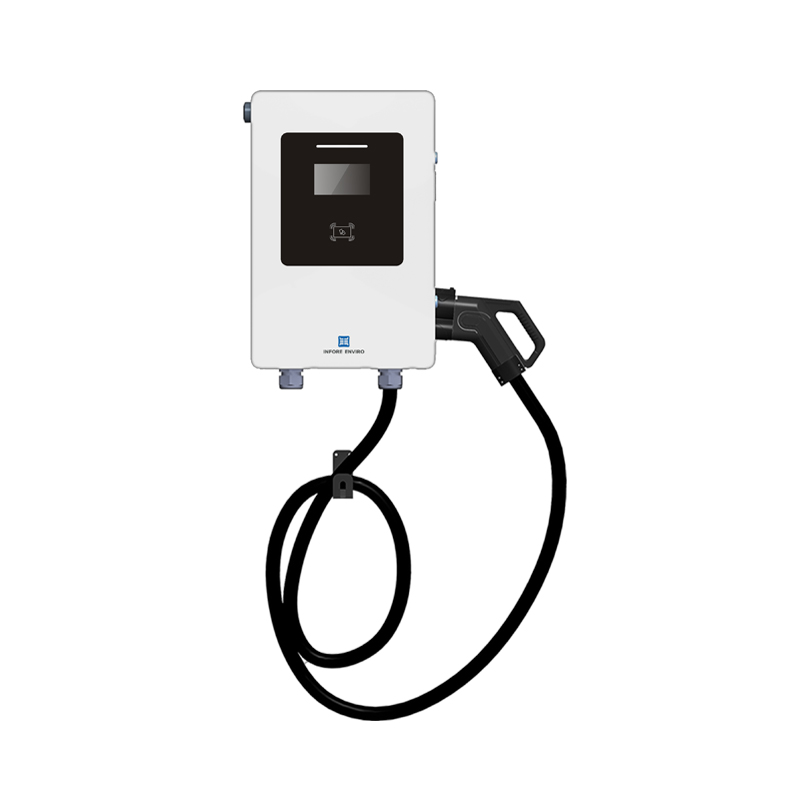
Deciding between chargers, network providers, and site topologies needs a clear rubric; this is a practical comparison, not a checklist. Start by mapping expected vehicle types, duty cycles, and available site power. If fleets include buses or delivery vans you’ll weigh DC fast charging against higher-count AC solutions. Early on, review integrated options such as an AC DC charger to determine whether a hybrid unit reduces footprint and simplifies installation.
Core comparison dimensions
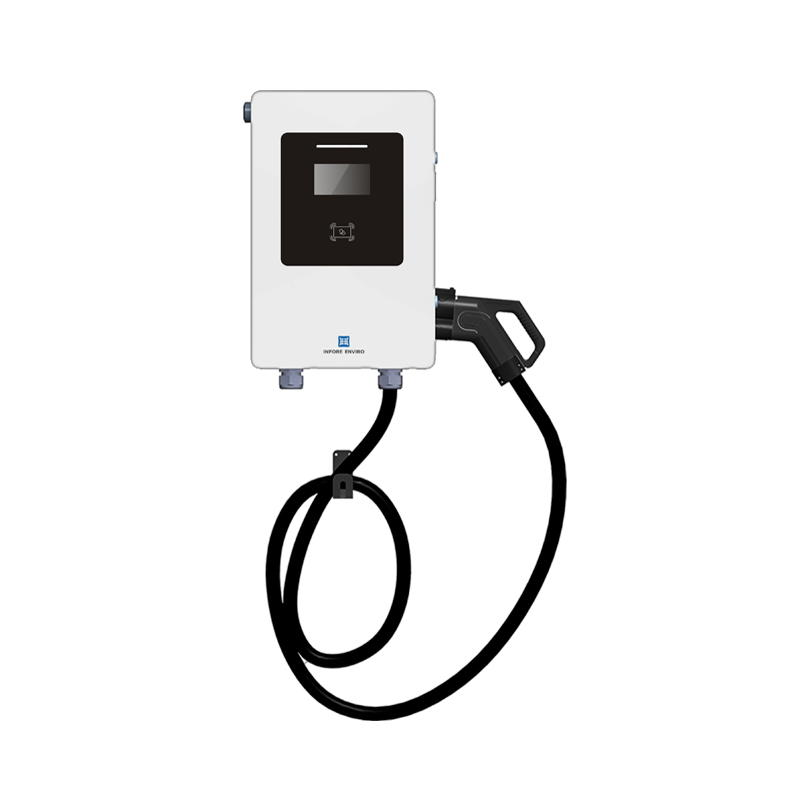
Three dimensions dominate practical choice: power profile, operations model, and scalability. Power profile covers whether you need DC fast charging or predominantly AC charging, and the peak kW per port. Operations model asks if you need roaming, tenant billing, or fleet-only access; protocol support like OCPP and features such as smart metering and load balancing matter here. Scalability examines how new ports will be added without redoing the electrical service—consider modular cabinets, phased transformer upgrades, and demand response readiness.
Real-world anchor: policy and deployment context
The U.S. Bipartisan Infrastructure Law allocated federal funds for nationwide charging corridors; that changed procurement cycles and accelerated vendor competition. At a practical level, that means many sites now prioritize interoperability and commissioning speed. For commercial workplace EV charging projects, prioritize vendors with repeatable site power study workflows and commissioning checklists that reference DC fast charging heat management and OCPP conformance.
Operational trade-offs and total cost view
Upfront hardware cost is visible; the less-visible items drive lifetime cost: utility upgrades, maintenance contracts, and software subscriptions. A smaller fleet might favor lower-cost AC chargers with smart load management. Larger, time-sensitive fleets tend toward DC fast charging with redundant power feeds and active cooling. Include lifecycle metrics—uptime SLA, mean time to repair, and spare-part lead times—when comparing vendors, and validate those metrics with references from similar deployments.
Common mistakes and viable alternatives
Teams commonly overspec site power—then underutilize it. Equally common is buying single-vendor, closed-network systems that complicate future integrations. Consider these alternatives: distributed AC chargers with centralized session management for predictable schedules; or fewer high-power DC stations when quick turnaround is critical. Also evaluate V2G readiness if you expect bidirectional flows later—it’s a feature that affects inverter selection and energy management architecture.
Design checklist before procurement
Use this short checklist to avoid rework: perform a site power study; model peak load with realistic duty cycles; require OCPP and remote diagnostics; verify warranties and spare-part timelines; and confirm fiber or cellular telemetry options. Pay attention to site-based constraints like thermal limits for DC fast charging and local permitting windows. —These small items often derail timelines if overlooked.
Three golden rules for final selection
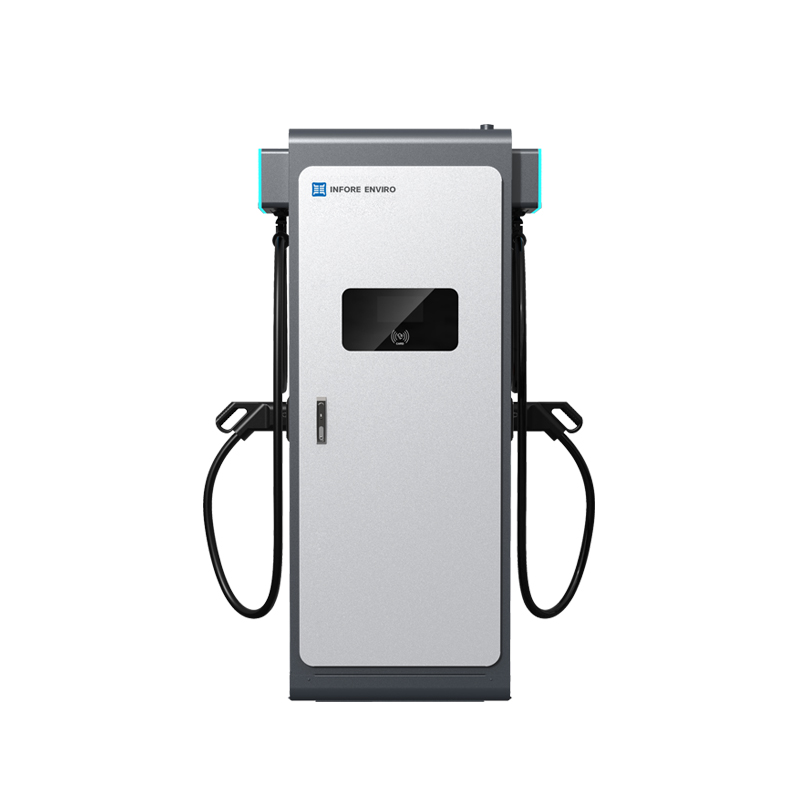
1) Prioritize operational transparency: demand real uptime numbers and a clear support escalation path. 2) Build for phased growth: choose hardware and software that scale horizontally without forcing a forklift upgrade to the electrical service. 3) Normalize performance: require vendors to deliver a commissioning report with baseline charge rates and load balancing behavior under peak conditions.
Comparative insight shows the right choice balances power needs, operational model, and long-term support. When those align, installations perform predictably and costs stay controlled. For commercial deployments where predictability matters, the practical value is clear—hardware choices and a measured deployment plan win every time. INFORE ENVIRO — a partner that brings repeatable site planning and integration expertise.