
Introduction — a short shop scene, some numbers, and a question
I walked into a small machine shop last month and noticed a familiar mix: a modern CNC lathe, a stack of old tooling, and a whiteboard with tired notes. That contrast tells a story many of us know—CNC lathe manufacturers are racing to meet both legacy needs and new demands. Recent industry data shows mid-sized shops upgrade equipment at a steady 6–8% annual rate, but productivity gains lag behind expected returns. So, how do you pick machines and suppliers that actually move the needle for your floor? (Yes, this is about practical choices—not just flashy specs.)
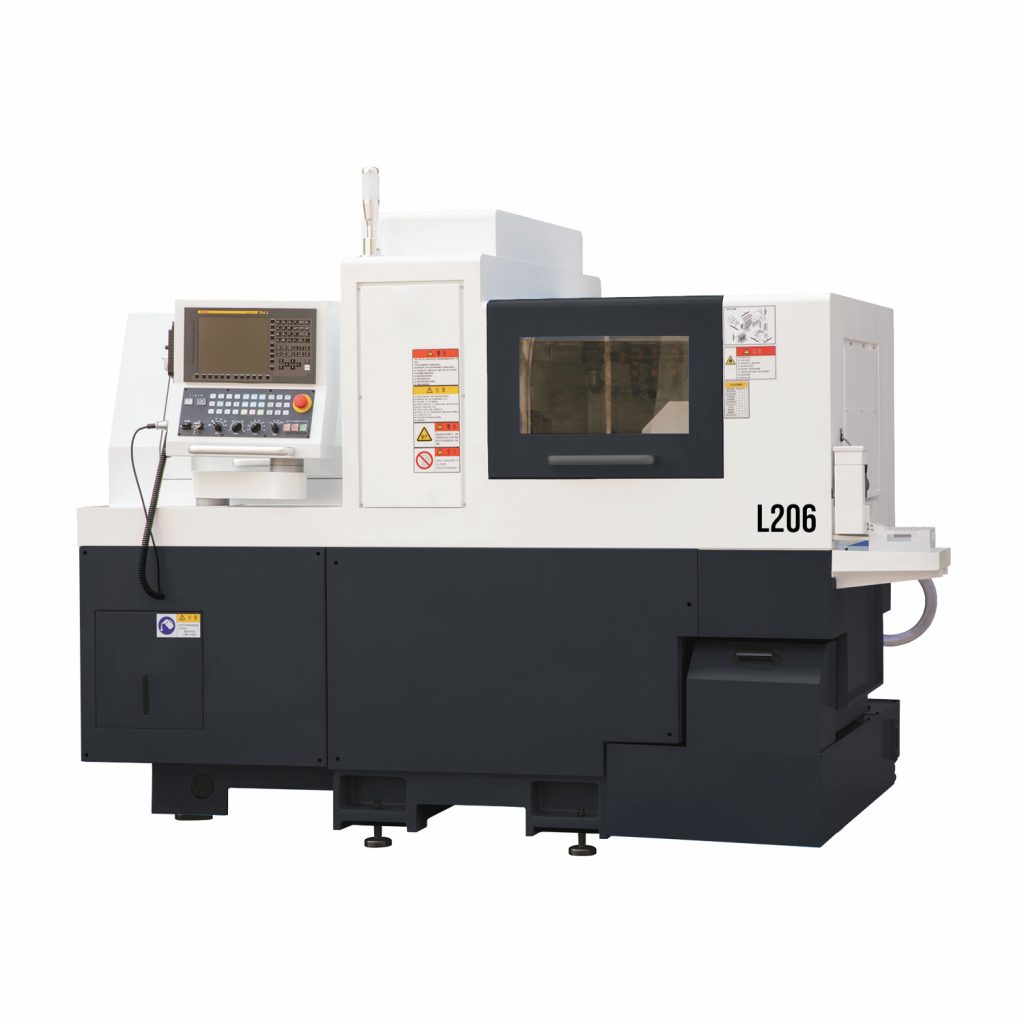
I’ll walk you through the sharp differences I see, step-by-step. First, we’ll map the real problems shops face. Then, I’ll compare core solutions and point out what matters when you evaluate options like spindle speed, G-code optimization, and tool turret flexibility. By the end you’ll have clear criteria to judge cnc lathe manufacturers and decide where to invest next. Ready? Let’s move to the flaws that often hide behind glossy brochures.
Part 2 — What current suppliers miss (technical breakdown)
Why do standard fixes fail?
Let me be blunt: many standard approaches overlook key workflow gaps. When shops search for cnc lathe suppliers, they often focus on specs—torque, spindle speed, servo drives—without testing how machines behave in real cycles. I define the gap this way: the machine performs in isolation but fails under mixed-batch, high-change conditions. That’s where downtime, rework, and hidden costs show up. Look, it’s simpler than you think—if you simulate your real job mix, weaknesses pop fast.
Common technical flaws: controllers that choke on nested G-code, inadequate tool turret indexing for quick job swaps, and cooling systems undersized for extended runs. Shops then add patchwork automation or custom fixturing. Those fixes work in the short term but compound complexity later (more maintenance, more calibrations). I’ve seen shops buy a second machine to compensate—funny how that works, right? If suppliers built solutions around real cycle tests and edge computing nodes for predictive alerts, many of these failures would shrink.
Part 3 — Future outlook: realistic upgrades and metrics
What’s next for shops and suppliers?
Looking forward, I expect manufacturers to blend robust hardware with smarter controls. That means better integration of CNC controllers with shop systems and more reliable power converters. For shops, the practical move is to prioritize adaptability: modular tool turrets, scalable servo drives, and clean software that handles varied G-code without custom patches. I recommend testing with your toughest part first—if the machine yields consistent cycle time, you’re on the right track. I say this from hands-on experience; you’ll spot the difference quickly.
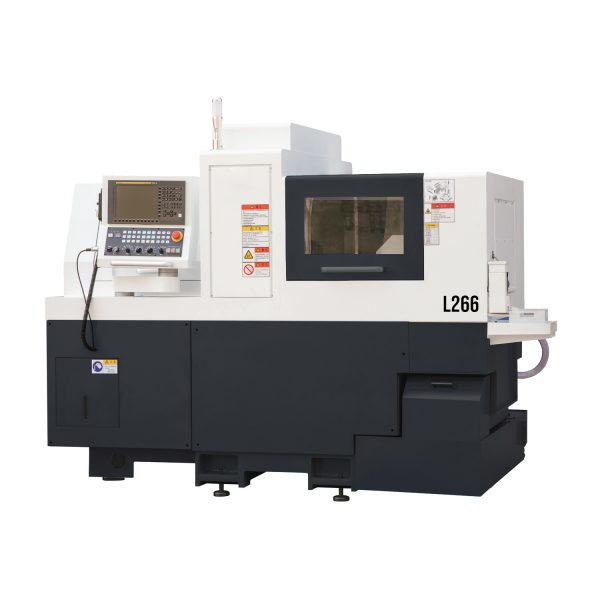
To choose between suppliers, use three clear evaluation metrics: 1) Real-world cycle consistency (measure on your toughest part), 2) Maintainability score (ease of service, spare parts lead time), and 3) Integration readiness (how well the machine talks to your MES or tooling inventory). Track these over a trial month and compare results. If a supplier can demonstrate measurable gains across those metrics, they earn your trust. For practical support and verified product lines, consider resources from cnc lathe suppliers who publish real test data. In short: test with purpose, measure what matters, and pick partners who fix real pain—not just sell specs. Leichman