
Introduction
Have you ever stood under a low, amber sky and wondered how a single spark could change everything?
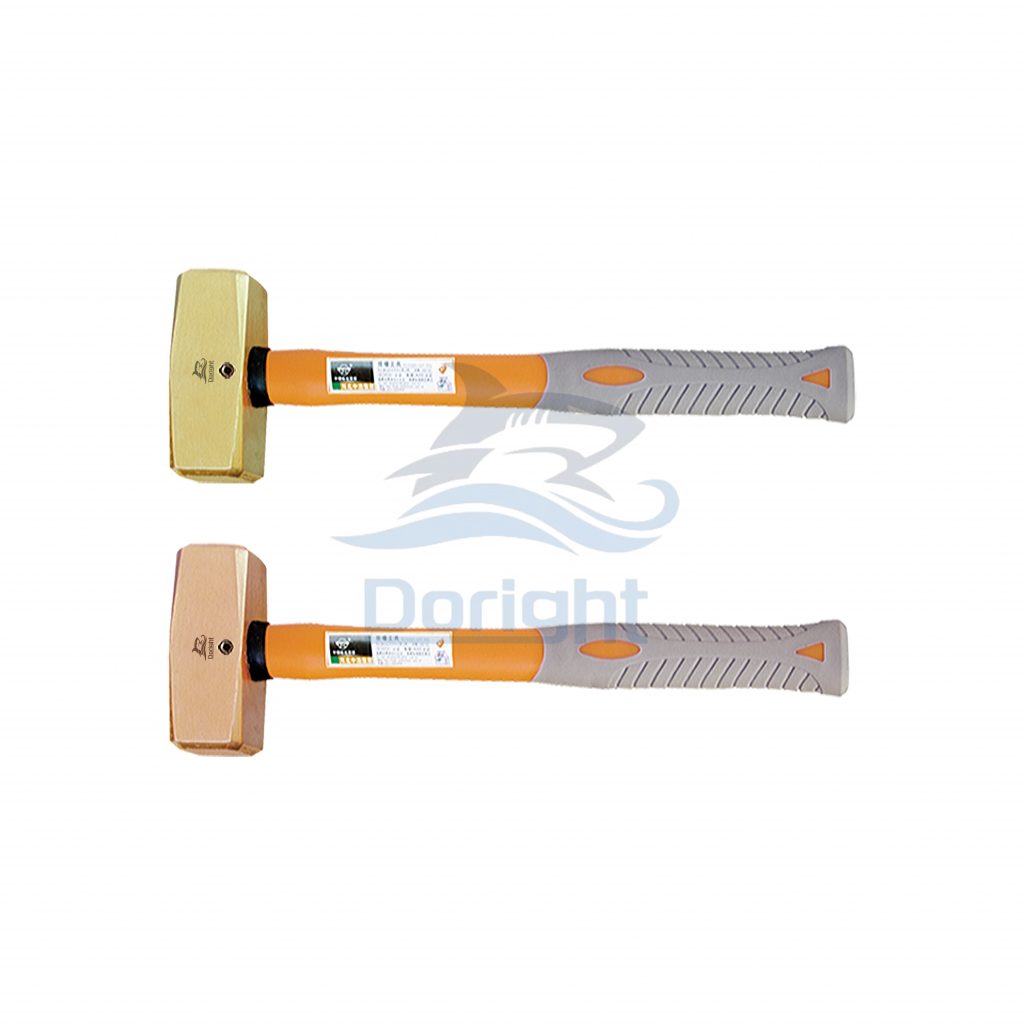
I picture that scene often — a quiet night at a tank farm, the air thick with the scent of solvent and the hush of machines — and I think of the non sparking hammer I hand to a coworker before a routine check. Reports and field notes tell us that tool-born sparks account for a surprising share of ignition events (we read them, we learn). So what should we trust when safety and silence matter most? — I ask that question because it keeps me careful, and it should keep you curious too. The rest of this piece walks from that moment into the technical heart of why some solutions fail and what we can do next.
Why Traditional Tools Fail: A Deeper Look at Real Flaws
When I dig into tool incidents, the first link I follow leads to choices in material, balance, and certification. In the early lines of my notes I always check for proper design and testing. An explosion proof hammer is marketed as the cure-all, but the label alone does not fix deep issues. Many so-called non-sparking hammers use bronze-aluminum alloy or beryllium copper. Those alloys lower conductivity and reduce spark risk, yes — but they also wear differently and can hide fatigue cracks. I’ve held tools that looked fine until they failed under repeated impact. Look, it’s simpler than you think: material choice and real-world durability matter more than buzzwords.
So what is the hidden flaw?
First, mismatch of hardness. A soft head on a hard surface deforms and sheds particles. Those particles? They can ignite in the right mix of vapor and air. Second, maintenance gaps. Many sites lack clear inspection routines for non-sparking tools; users assume “non-sparking” equals “never inspect.” Third, certification misunderstandings. Terms like ATEX or intrinsic safety often get mixed up with tool ratings, even though they concern broader system safety — edge cases exist. I call these the three quiet failures: material fatigue, lax inspection, and category confusion. — funny how that works, right?
New Technology Principles and Practical Metrics for Tomorrow
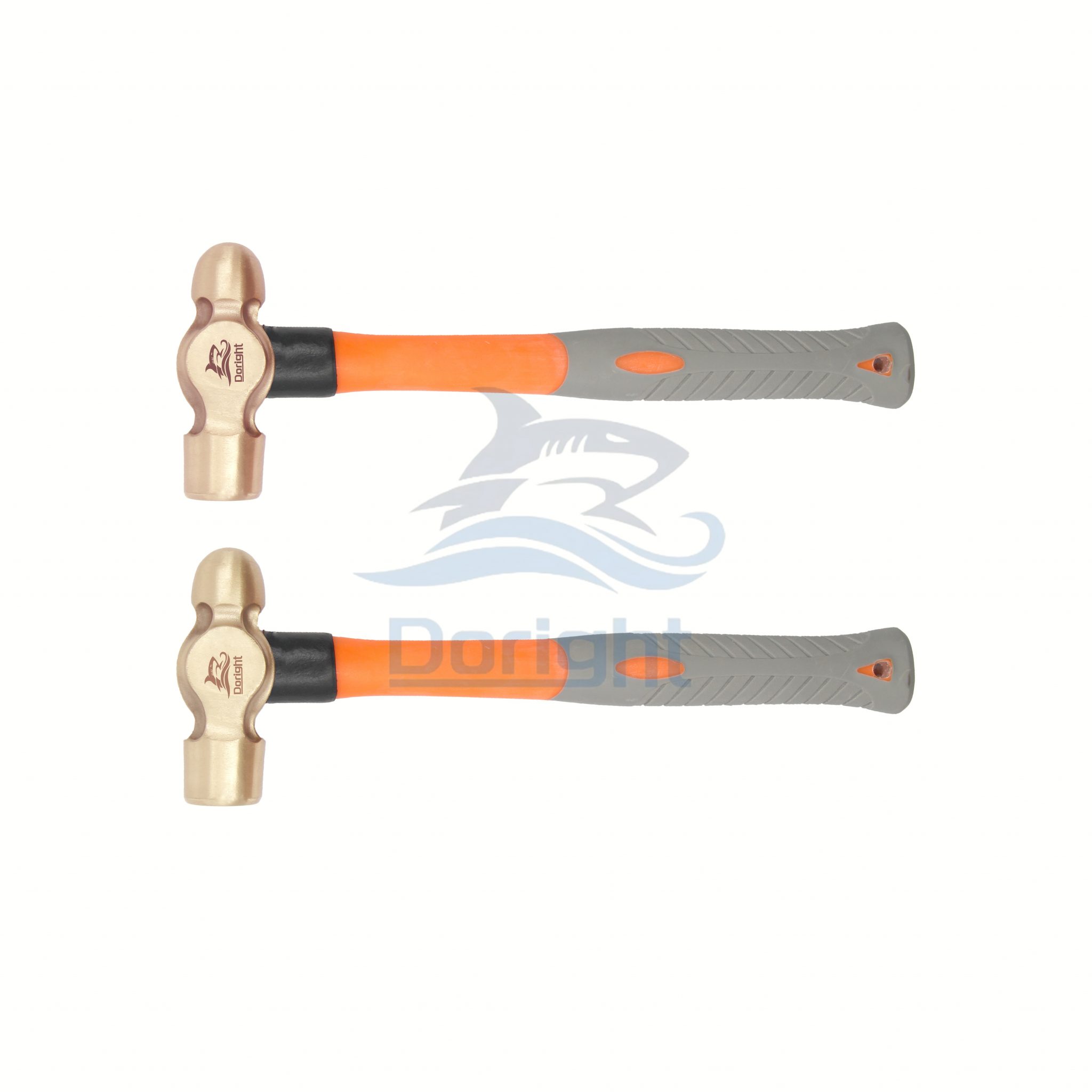
Moving forward, I favor solutions that blend simple physics with clear protocols. Modern non-sparking tools are no longer just about alloy chemistry. We now see designs that consider energy transfer, impact profile, and traceability. That means better heat dispersion, lower peak impact energy, and visible wear indicators. When I evaluate a new piece of kit, I also look at its lifecycle data. If a vendor supplies test curves for repeated strikes and shows how conductivity changes over time, I listen. A true non-sparking hammer should prove its pedigree in tests that mimic the worksite — not just in a lab drawer. And yes, there are new sensor ideas creeping in — power converters and simple data loggers that record strike counts and force — which help us move from guesswork to evidence-based replacement schedules.
What’s Next for field teams?
Here’s how I advise teams to choose and keep non-sparking tools. First, insist on materials with documented wear curves. Second, demand inspection protocols that tie to use — not to dates. Third, favor tools that support simple field checks (visual wear marks, serial tracking). To make that practical, apply three evaluation metrics every time you buy: (1) Proven impact lifecycle — how many strikes before material change, (2) Traceable certification — lab reports that match your working environment (ATEX or equivalent), and (3) Maintenance friendliness — can the crew spot failure early with a glance? Use those metrics and you narrow risk in a real way. I’ve seen the difference in sites that follow this approach — measurable, steady improvement. In the end, choosing wisely is a small habit with big returns. For tools we trust and stories we avoid, check trusted suppliers like Doright.