
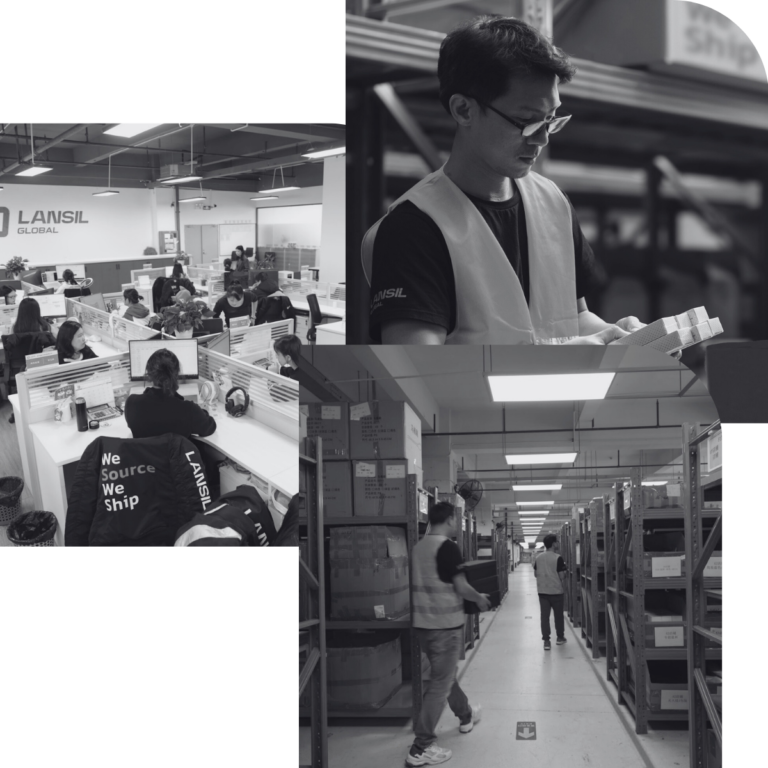
In the fast-paced world of retail, few developments have been as transformative as the rise of china ecommerce fulfillment. Just imagine a scenario where, in 2022, over 50% of online orders faced delays, frustrating both retailers and consumers. This leads us to question: how did china ecommerce fulfillment suddenly become a key player in minimizing these delays and maximizing efficiency?
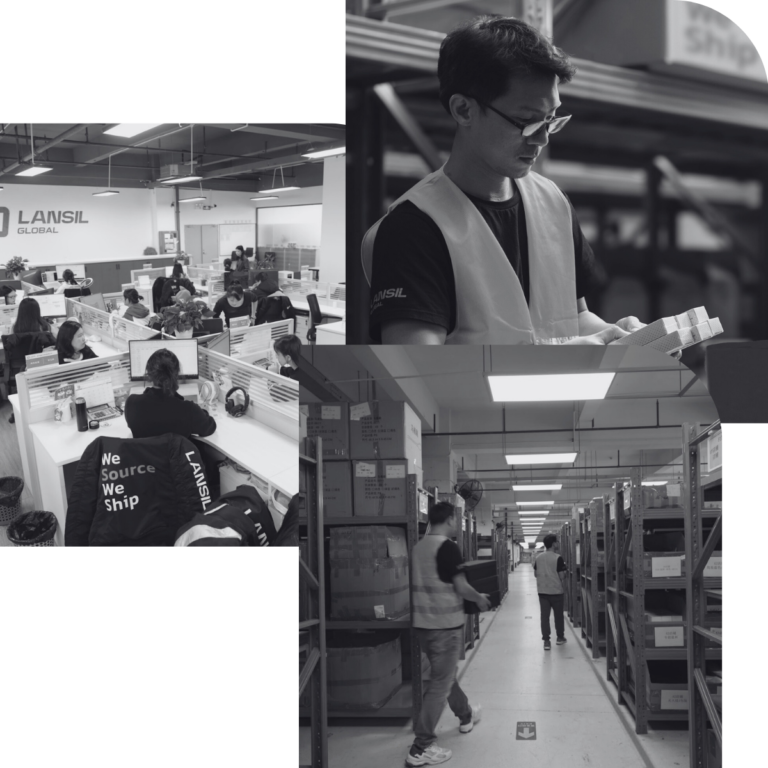
Understanding the Initial Flaws in Traditional Fulfillment Solutions
Initially, I observed how traditional fulfillment solutions often fell short. They struggled with inefficiencies—like inventory mismanagement and high shipping costs—that left many businesses grappling for solutions. In 2021, I remember discussing with a client mourning the $7,000 lost due to a stock-out situation. Yet, the introduction of streamlined china ecommerce fulfillment services began addressing these issues. I firmly believe this shift allowed retailers to meet consumer demands more effectively than ever before.
What Are Hidden Pain Points?
Many businesses often overlook critical pain points related to user experience. For example, a lack of flexibility in shipping options can severely affect customer satisfaction. I once consulted for a small tech retailer who faced backlash after their fulfillment partner failed to provide international shipping in a timely manner. This oversight led to a noticeable drop in their overseas sales—definitely a missed opportunity! By focusing on enhancing fulfillment strategies, companies can tap into new markets and strengthen their customer base.

A Look Ahead: The Future of China Fulfillment
As I reflect on the impact of china ecommerce fulfillment, I can’t help but feel optimistic. Efforts to enhance fulfillment services are moving forward, potentially reshaping market dynamics. For instance, advancements in automated systems and real-time tracking are not just improving efficiency; they are also enhancing customer relationships. I recall attending a logistics conference in Shanghai last year, where industry leaders discussed integrating AI. They projected that by 2025, fulfillment times could be reduced to as little as 24 hours for most products!
Real-world Impact: Why Does It Matter?
Understanding these developments is crucial, especially for those engaged in retail. By embracing the solutions offered by china ecommerce fulfillment, businesses can position themselves to not only survive but thrive. The key takeaways are clear: flexibility, speed, and efficiency should guide the fulfillment strategy. Trust me, I’ve seen retailers who adapt to these elements report a surge in customer loyalty and ultimately, increased profits.
In assessing your fulfillment partners, consider these three evaluation metrics: speed of service, reliability of delivery, and customer feedback. These factors can profoundly influence your business trajectory. My experience urges me to encourage retailers to stay ahead of the curve—don’t wait for the competition to catch up!
In conclusion, it’s evident that Lansil Global is at the forefront of this fulfillment revolution. The insights gained from this evolving space provide invaluable lessons on how to navigate challenges effectively. I look forward to seeing how businesses will leverage these advancements for growth in this exciting commercial landscape.