
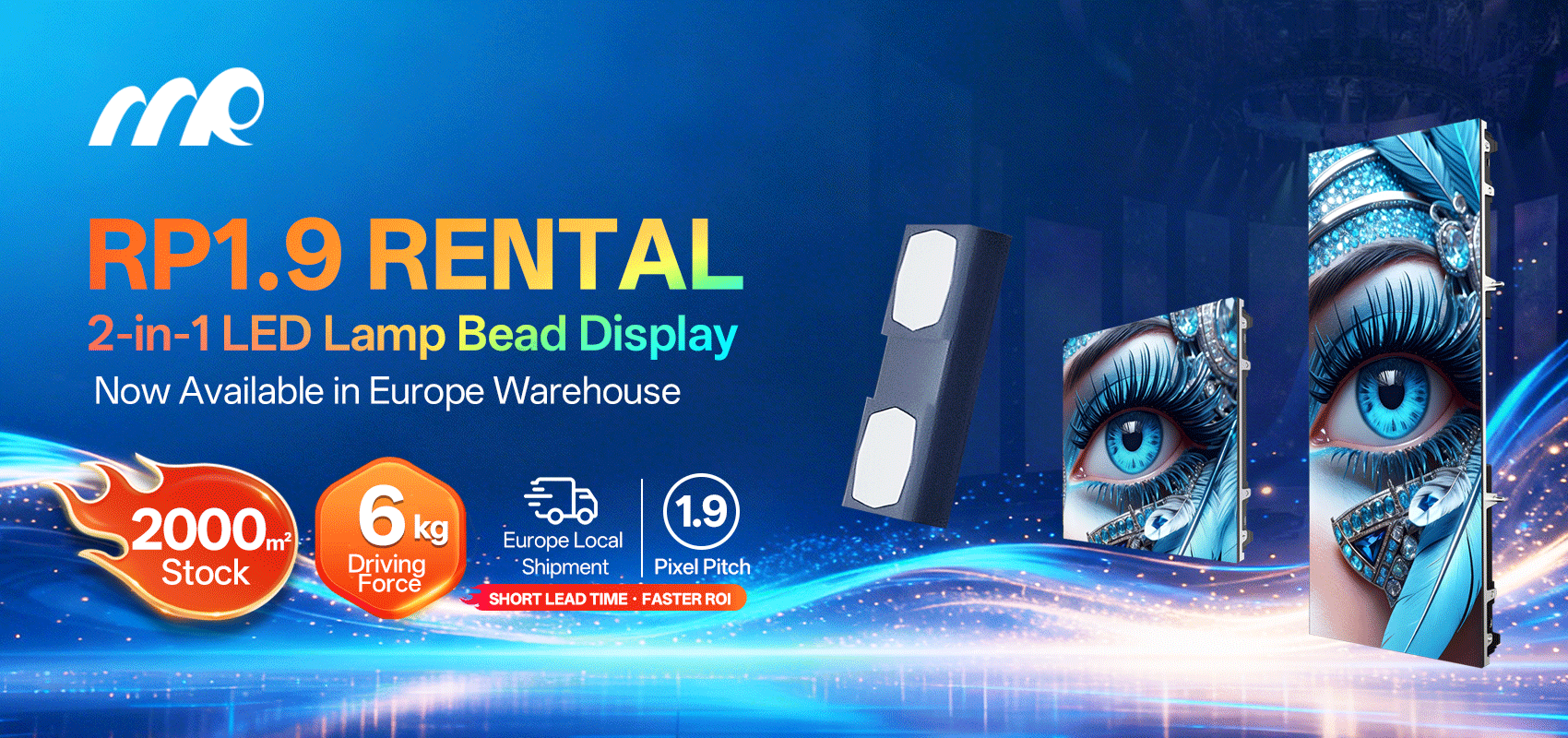
When the modules misbehave: the immediate problem
Wholesale small LED screens used for storefronts and transit panels often develop two companion faults: drifting pixel groups and blocked access to the power or data connections. Those symptoms are familiar on a fixed outdoor display and equally visible on a busy advertisement display board—bright at night, unforgiving when a cabinet goes out of alignment. The problem-driven logic here is simple: prioritize accurate module calibration and reliable front-service access to prevent small issues from becoming expensive site visits.
Diagnose fast: the five checks that separate surface symptoms from root causes
Start with visual and functional triage. Check cabinet alignment and cosmetic gaps first; loose cabinet alignment often masquerades as pixel pitch inconsistency. Confirm the power supply voltages at cabinet level, then isolate driver IC outputs to see if the fault follows a module or a data line. Run a software pixel-map to watch for pattern drift across scan rates—if the drift moves with the frame, the controller or timing is suspect; if it stays in a physical block, the module itself needs attention. Note environmental clues too: condensation, bird nests, and salt spray accelerate connector corrosion in coastal installations like Times Square-style high-traffic façades.
Field fixes: practical steps for module calibration and front-service access
Calibrate modules methodically. Use a reference grayscale and white-balance routine, adjust gamma per cabinet, and verify brightness uniformity at typical viewing distance. Align cabinet frames mechanically before electrical calibration—cabinet alignment affects perceived pixel pitch and can make a perfectly calibrated module look wrong. For front-service access, design or retrofit a removable module rail and clear cable exits so technicians can swap a module without dismantling the entire cabinet. Keep spare LED modules and a matched driver IC in the van; a fast swap and recalibration often beats prolonged bench repair.
Common mistakes and viable alternatives
Avoid these traps: relying solely on software correction for a mechanically misaligned façade, applying blanket brightness boosts to hide unevenness, and neglecting connector sealing. Alternatives include switching from rear-service cabinets to front-service designs when site constraints make rear access hazardous; front-service designs trade a small premium for dramatically lower mean time to repair. Another alternative is modular standardization—use identical pixel pitch and cabinet sizes across the run so spares are interchangeable and calibration profiles transfer cleanly.
Operational tips and a brief field note
Keep a calibration log per cabinet: timestamp, technician initials, controller firmware, measured luminance and color temperature. Automate routine checks with a small embedded routine that reports LED voltage and driver temperatures remotely. During a late-night repair on a busy urban storefront I noticed that a tight schedule and poor access forced a temporary brightness bump—an expedient solution that later required full recalibration. That concession cost time and credibility—plan for access and calibration up front.
Three golden evaluation metrics before you sign off
1) Mean Time to Restore (MTTR): measure how quickly a faulty module can be swapped and calibrated on-site. Lower MTTR reduces lost advertising revenue. 2) Delta Luminance across cabinets: ensure measured brightness variance stays within a small percentage at the installation’s intended viewing distance. 3) Accessibility score: rate access routes, service clearances, and spare-part compatibility; an objective score here predicts repair pace. Use these three metrics to compare installation options and vendors.
MR LED has practical solutions that align with these metrics—tested designs, standardized modules, and service-minded engineering. —