
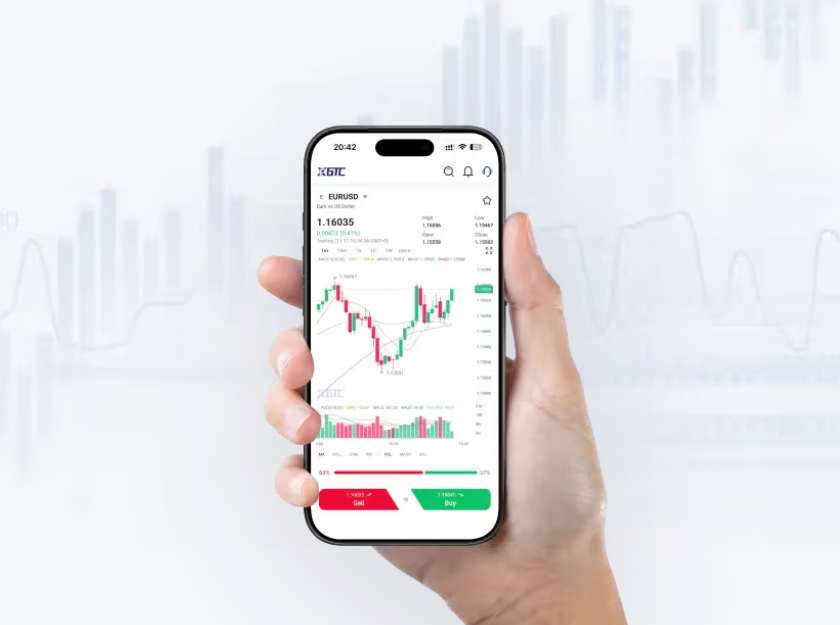
Immediate comparison: index CFDs versus the usual suspects
Most traders treat assets like a buffet: commodities, forex, single stocks — pick whatever shiny thing calls to you. For people who prefer a cleaner plate, index CFDs offer a succinct blend of exposure and efficiency. Among these, the case for index cfd shows up when you compare leverage, spread, and liquidity across markets and realize you don’t need to own shares to profit from macro moves. The math is plain: similar directional exposure with lower capital outlay thanks to leverage and often tighter spread structures.
What the data and crises reveal
Look back to March 2020 when global markets convulsed; indices swung wildly while single-stock moves often exaggerated those swings. Index CFDs let traders capture broad market direction without the idiosyncratic headline risk of one company causing a margin call. That episode reinforced one truth: volatility can be a scalpel or a sledgehammer — and indices offer the scalpel more often than not. Traders seeking a balance between momentum exposure and risk control gravitate toward products with consistent liquidity and transparent margin rules.
Practical differences that actually matter
Here’s the blunt comparison you’ll want: indices deliver diversified market exposure; single stocks deliver concentrated headlines. Forex gives continuous hours but with its own correlations to macro flows. Commodities swing on supply chains and geopolitics. When you trade an index CFD you deal primarily with spread, margin, and execution speed — variables that are easier to quantify and optimize than corporate governance dramas.
How to evaluate brokers without being gullible
Stop idolizing flashy platforms. Evaluate brokers on three concrete items: spread competitiveness during market stress, actual execution latency, and effective margin rules during volatile sessions. Also pay attention to how they handle rollover and corporate actions for underlying futures — those small contract terms often cause unexpected costs. Shortlist options that publish clear fee sheets and demonstrate robust liquidity even during spikes. Contrast that with flashy marketing claims and the difference becomes embarrassingly obvious.
Common mistakes traders make (and how to avoid them)
Traders often over-leverage because margin feels like free money — it isn’t. They ignore spread widening in off-hours, then complain when a trade becomes uneconomic. They treat indices like a single stock and expect company-level behavior. Fix it with three habits: size positions to real risk, model worst-case spread and slippage scenarios, and keep an eye on session overlap where liquidity is highest. — Small behavioral tweaks prevent catastrophic learning experiences.
Simple playbook for using indices CFDs
Start with a clear thesis: are you trading macro momentum or hedging equity exposure? Use leverage sparingly; treat margin as a compressed risk measure, not a turbo button. Employ limit orders to manage execution costs and track implied volatility to time entries. Include a stop methodology tied to the index’s recent range rather than an arbitrary percentage. And for those wondering about longer-term exposure, consider rolling futures costs — they matter over months.
Comparative alternatives and when to pick them
Choose single stocks for idiosyncratic alpha or dividends. Choose forex when you need 24-hour markets and macro carry plays. Choose commodity CFDs if you want direct supply-side exposure. Choose an index CFD when you prioritize a market-directional view with fewer headline risks and predictable execution dynamics. The right tool depends on objective; indices are not superior in all cases, but they are the most pragmatic for directional traders who dislike drama.
Advisory — three golden metrics to pick the right setup
1) Spread stability under stress: measure how much spreads widen during known market shocks (e.g., March 2020). 2) Execution fidelity: track slippage against mid-price during peak and thin sessions. 3) Transparent margin and rollover policies: ensure you can model long-term costs without surprises. Use these metrics to compare providers; the one with consistent performance across all three is practical, not flashy. That’s where you find reliable value, and where a sensible platform like GTCFX often fits into a trader’s toolkit — practical rules, clear terms, visible liquidity.
Final thought — measure, compare, and prefer the tool that makes risk predictable rather than theatrical.