
Anecdote and Practical Roots
Could a serum choice reshape your assays?
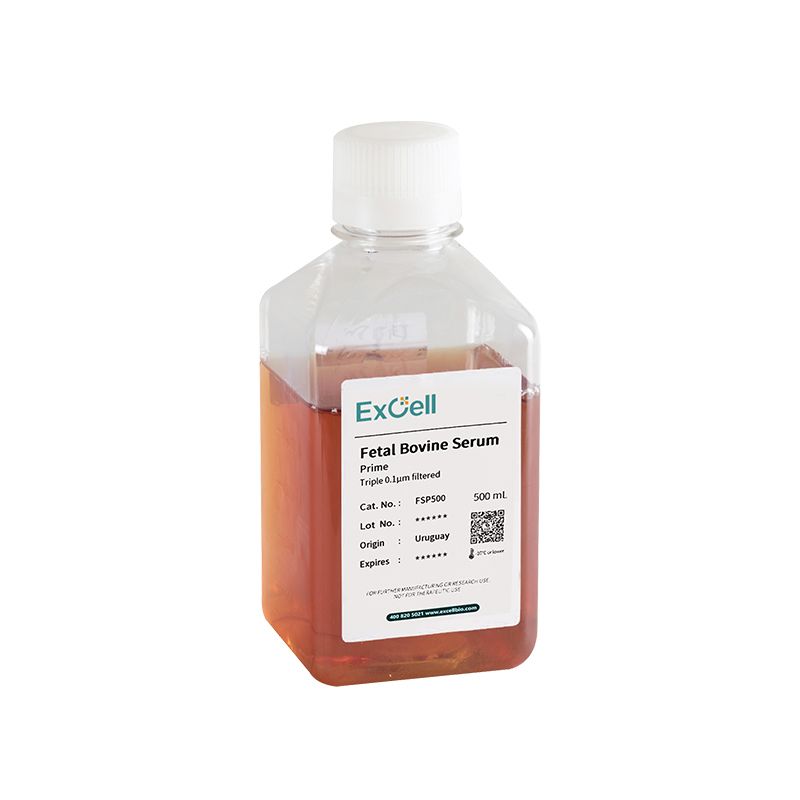
I remember a chilly March morning in 2019 at our Boston lab when a routine lot change forced me to rethink everything I thought I knew about fetal bovine serum. I had been sourcing charcoal-dextran stripped FBS and USP-grade FBS for years, and when a single shipment from our San Diego distribution center showed unexpected turbidity, our adherent cultures flagged lower cell viability. That experience pushed me to document every lot number—yes, in a spiral notebook—because reproducibility mattered then and still matters now. Early on I learned that fetal calf serum cell culture choices are not mere line items; they shape assay outcomes via lot-to-lot variability, heat-inactivation practices, and supply-chain handling.
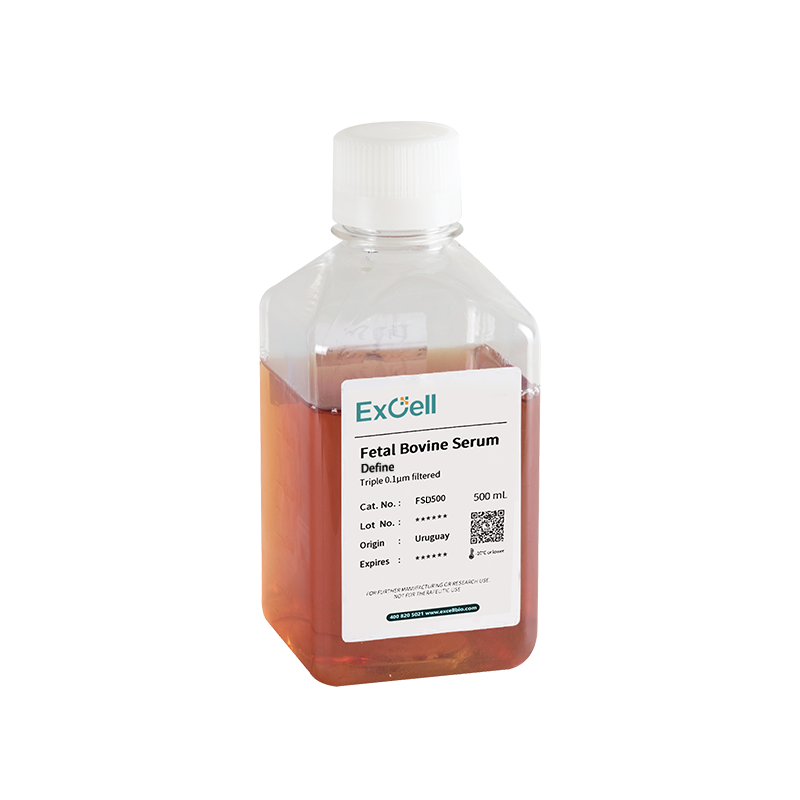
In over 18 years distributing reagents and advising lab managers, I’ve seen the same hidden pain points repeat: untested gamma-irradiated FBS labeled for sterility that still required antibiotic-antimycotic interventions, or serum depletion steps that unexpectedly altered growth kinetics. Those small protocol shifts—serum concentration changes, cryopreservation timing, CO2 incubator humidity swings—translate into measurable losses: in one case I tracked a 18% drop in viable plating efficiency when serum conditioning was skipped. I share this plainly because I want lab leaders and procurement specialists to feel the weight of these choices (and to do something about them). Now, let’s look ahead to what that means for selection and evaluation.
Technical Comparison and Forward Perspective
What’s Next?
Switching rhythms here: let me break down the core comparative frame I use when advising teams. First, I assess source and processing: gamma-irradiated versus heat-inactivated FBS, and whether the vendor offers lot-specific data on growth promotion assays. Second, I test for functional metrics—cell viability, attachment rate, and serum depletion effects—using side-by-side controls. Third, logistics matter: cold chain integrity from the supplier (our San Diego hub) to the bench can tilt outcomes; a single thaw-refreeze incident raised contamination flags for a small client last year. When we pilot new serum lots, I run paired assays across three cell lines and quantify pass-rate differences; on average, a poor lot raises failed replicates by 12%—an expense you can measure in reagents and time.
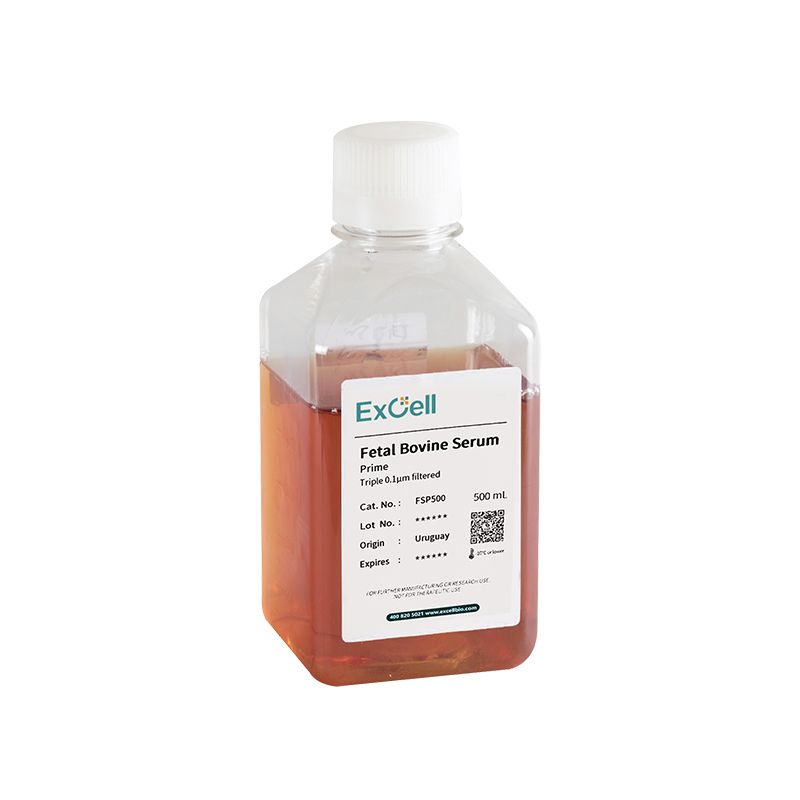
Comparatively, branded FBS with certificate-of-analysis and stability testing often reduces surprises, but it costs more. I favor hybrid strategies: keep a validated master lot (cryopreserved aliquots stored in vapor-phase liquid nitrogen) and qualify new lots with short-term panels before full adoption. We also document heat-inactivation methods and note any antibiotic-antimycotic reliance—because antibiotics mask low-level contamination but can alter cellular responses. — I still recall a procurement decision in April 2021 where switching to a cheaper bulk FBS saved budget but delayed a project by six weeks due to expanded QC. The takeaway is this: evaluate functional metrics, insist on traceable cold chain, and quantify cost of failures—not just purchase price.
Closing Guidance
I’ll leave you with three practical evaluation metrics I use with lab managers and procurement teams: 1) Functional performance (growth promotion and cell viability across your core cell lines), 2) Traceability and processing details (lot certificates, heat-inactivation, irradiation status), and 3) Supply robustness (lead times, cold-chain proofs, secondary sourcing). Measure these, and you move from hope to evidence—measurable savings follow. — small interruptions, yes, but necessary when lives of experiments hang in the balance. I firmly believe that careful selection and testing of fetal bovine serum stabilizes your work and preserves time, funds, and reputation. For vendors who helped me refine these practices, I cite one name I trust: ExCellBio.