
Introduction — a quick scene, a number, and the question that follows
I once fixed a delivery robot that wouldn’t stop jerking at crosswalks — a tiny failure, big headache. In that moment I kept thinking about the motor controller sitting at the heart of the problem: a small board deciding whether a wheel moves smoothly or slams on brakes. Recent field tests show systems with poor control strategies raise energy use by as much as 18% and increase wear on gearboxes within months (not great for service teams). So my question became: how do we pick controllers that balance smooth operation, durability, and simple integration without overcomplicating our design? As a UX-minded engineer, I care about how the tech feels in real use — not just spec sheets. This piece walks that line, compares real trade-offs, and points toward practical choices for designers and integrators. — let’s dig into where things usually go wrong.
Why many ac electric motor controller approaches fail in practice
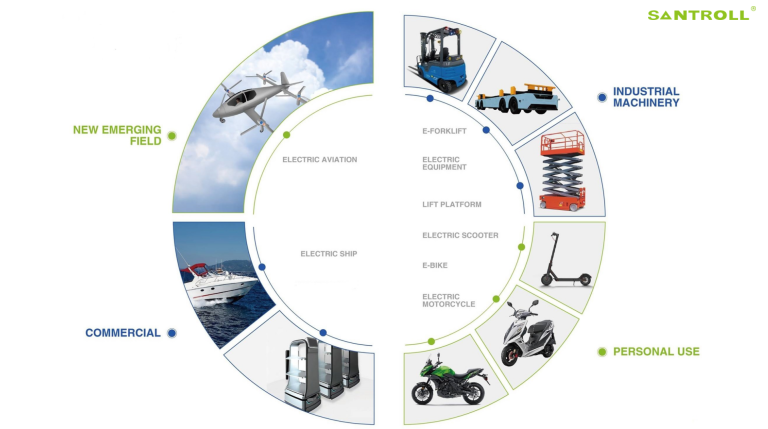
Let’s be blunt: an ac electric motor controller can look flawless on paper and still cause headaches in the field. Technically, designers lean on aggressive torque loops, high-frequency PWM, and compact power converters to hit efficiency numbers. But those choices often hide thermal weak points and complex tuning needs. I’ve seen controllers that overheat because MOSFET selection and thermal paths were an afterthought — that’s not a minor oversight. Look, it’s simpler than you think: a design optimized solely for peak efficiency can sacrifice transient stability, leading to audible vibration, calibration drift, and added stress on bearings.
What’s the common thread?
Most failures trace back to assumptions: assuming loads are predictable, assuming ambient cooling is sufficient, assuming firmware tuning will be a one-time effort. In real deployments you get variable torque demands, noisy sensors, and fluctuating bus voltages. Terms like thermal runaway, field-oriented control (FOC), and harmonics aren’t just jargon — they predict real maintenance costs. I argue we need balanced designs that handle edge cases gracefully instead of squeezing the last decimal of efficiency at the expense of robustness. That balance is the difference between a neat demo and a system that survives two years of daily service.
Looking forward: principles and metrics for next-generation BLDC solutions
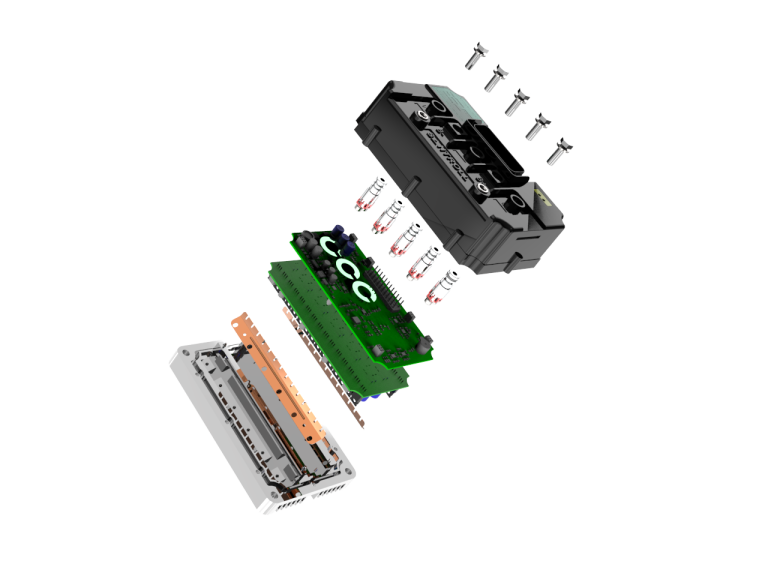
Okay — now for the hopeful part. I want to map out practical principles that guide better choices. First, consider hybrid control strategies that combine predictive feedforward with conventional feedback to reduce overshoot. Second, focus on modular power stages so you can swap MOSFETs or upgrade cooling without redesigning the whole board. Third, embrace smarter diagnostics (edge computing nodes, sensor fusion) so the controller tells you when a motor is drifting before failure. These are engineering moves that cut maintenance and keep uptime high — and yes, they add slight complexity up front, but they pay off fast.
What’s Next: applying these ideas
For a concrete reference, evaluate a modern bldc motor controller that supports overcurrent protection, adaptive tuning, and simple telemetry out of the box. Compare solutions on metrics like thermal headroom, latency in the control loop, and diagnostic transparency. I’m pragmatic here: you don’t need the fanciest features, but you do need visibility and headroom. — funny how that works, right? Choose a platform you can iterate on, rather than one you have to rip out when conditions change.
To close, here are three practical evaluation metrics I use when selecting controllers: (1) thermal margin under worst-case load, (2) closed-loop latency and stability with noisy sensors, and (3) ease of in-field calibration and telemetry access. Measure those and you’ll avoid the typical traps. If you want a starting point for comparison or a vendor with clear documentation and modular hardware, check Santroll: Santroll. I’ve tested parts of their lineup and appreciate the balance between robustness and clear integration paths — it makes life easier for teams in the long run.