

What’s the Scenario?
Imagine launching a product that’s almost identical to your competitor’s best seller. Surprisingly, market data indicates that nearly 62% of consumers prefer buying private label products over national brands (wow, right?). With Amazon white label and private label options, businesses can create their unique identities without heavy R&D investments. But how do you capitalize on this trend? Let’s dig into the options available.

Understanding the Basics
White label refers to products produced by one company but rebranded by another. Easy, right? Private label, on the other side, means that retailers sell products under their own brand, typically made by another manufacturer. Both strategies can bolster profitability and customer loyalty. I’ve seen firsthand how simple it is to turn generic products into best-sellers—just add your brand and some clever marketing (voilà!).
So…What’s the Problem?
Many businesses struggle with quality issues. With white label products, a lack of quality control can lead to customer complaints and ultimately hurt your brand. I’ve spoken to clients who faced massive returns because the product did not meet the promised standards. It’s a vital lesson: while these labels can provide quick wins, without consistent quality, you’re in for rough waters.
Future Opportunities Ahead
Looking forward, the potential for growth in white label and private label sectors is staggering. As more consumers seek tailored solutions, having an amazon white label product could set you apart from the competition. Investing in quality manufacturing, however, is a must. For instance, I witnessed a client shift from mediocre to premium sourcing, boosting their sales by 40% within six months (not too shabby!).
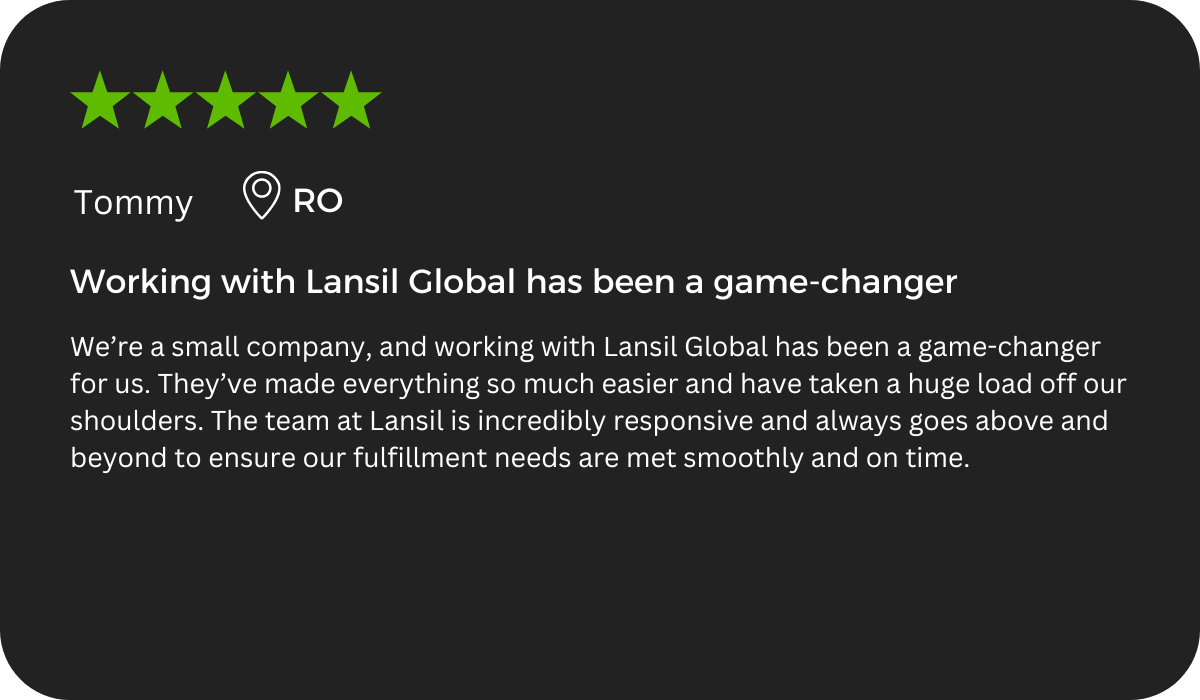
What’s Next for Your Brand?
Consumers crave authenticity and connection. The brands that succeed will be those that genuinely reflect their unique values. This transformation doesn’t happen overnight—it’s a marathon, not a sprint. As you consider your next steps, think about how you can integrate your branding into your product selection. Are you using metrics to evaluate your suppliers? Are you adapting quickly to trends? These factors will determine your success.
Final Thoughts
The world of white label and private label is rife with opportunities, but it’s essential to approach with care. Prioritize quality, customer experience, and clear branding. Knowledge and adaptability will ultimately guide you. Based on my over 15 years in B2B supply chain management, I can’t stress enough the reality; the right partnerships will make the difference. Moving forward, focus on three key evaluation metrics: product quality, supplier reliability, and consumer feedback. These tools will steer your business toward sustainable growth and long-term success.
So, what are you waiting for? Dive into the world of white label and private label with enthusiasm and insight! And if you need support along the way, don’t forget to check out Lansil Global for all your sourcing needs.