
Introduction — a thoughtful start
Have you ever paused and wondered why a simple setup can turn into a production headache? I ask because I see it often: a small shop starts a new cell and thinks productivity will jump overnight. In many cases, a double spindle CNC machine sits at the heart of that plan, promising parallel cuts and faster throughput. Industry reports show that shops adopting multi-spindle systems can raise part output by 30–60% in the first year, yet many still miss the real bottlenecks. So what is really blocking smooth adoption—machine mismatch, staff training, or hidden maintenance costs? (我常常这么想 — we expect efficiency, then meet reality.) Let me lead you through the practical faults I encounter daily, and then forward to the technologies that actually help. Next, I’ll explain where most solutions fail and why your operators complain — then we will look at what to do about it.
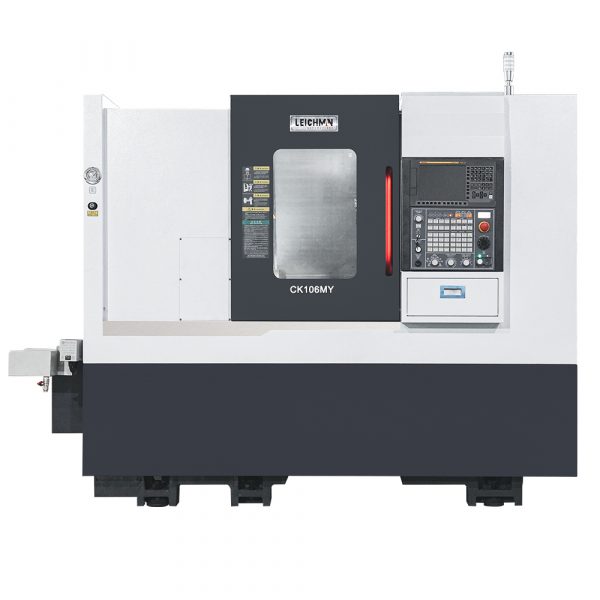
Traditional Solution Flaws and Hidden Pain Points
Why do tried solutions still leave gaps?
cnc turning manufacturer — I say this up front because the vendor choice matters more than many people admit. From my shop-floor visits, the common quick-fix is to buy a machine with higher specs and expect problems to disappear. That rarely works. We see issues like spindle torque fluctuation, turret indexing errors, and tool offset drift that higher horsepower alone cannot fix. Operators will tell you: the servo motor may be strong, but synchronization between two spindles is delicate. Look, it’s simpler than you think when you diagnose systematically — measure the synchronization window, log the CNC controller errors, and you will see patterns. — funny how that works, right?
I also notice non-technical blind spots: poor documentation, inconsistent training, and shortcut maintenance routines. These create recurring downtime that looks random but is not. For example, coolant system neglect accelerates wear on bearings and causes thermal growth; tool offset not captured correctly yields scrap and rework. The cost isn’t only parts — it’s lost trust from operators and late orders to customers. I prefer to call these failures “operational debt”: you can patch with fast fixes, but the debt grows. If you want a practical path forward, you must accept both mechanical tuning and procedural change. In the next section, I will show principles that actually reduce that debt.
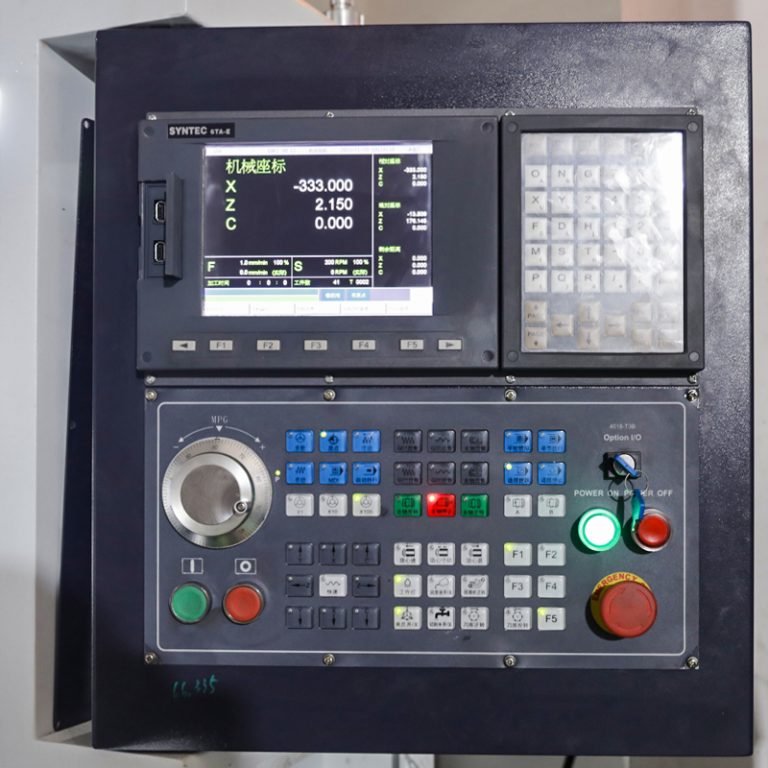
New Technology Principles and Future Outlook
What’s Next — how technology helps?
When I look ahead, I focus on three principles that change how double-spindle systems perform: closed-loop feedback, digital twin validation, and distributed edge intelligence. Modern control strategies use real-time feedback to correct spindle phase and feed errors on the fly; that reduces coupling issues between spindles. A digital twin lets you simulate turret indexing and toolpath collisions before you cut metal — I’ve used it to prevent weeks of tuning. Also, moving certain computations to edge computing nodes lowers latency and keeps the CNC controller focused on motion. These ideas are not futuristic fantasies; they’re practical. For shops evaluating hardware, consider a test run on a representative workpiece and measure synchronization and thermal drift. If you want to experiment, try a double spindle lathe in a controlled pilot cell first — you learn a lot without risking full production. I say this from experience: small pilots expose hidden integration points and save time later.
To be concrete, here are three evaluation metrics I always advise: 1) synchronization accuracy (microseconds or phase degrees) under full load, 2) spindle torque stability (percent variation across cycles), and 3) mean time between failures (MTBF) for key subsystems like the servo motor and coolant pump. Measure these, compare vendors, and weigh training readiness. I will be frank: no machine will fix process problems alone. But combining the right machine with digital validation and disciplined maintenance will. If you want real-world help picking a partner, check the manufacturer’s support for digital tools and on-site commissioning — that matters. In the end, the best choice is one that fits your process, not just the one with the highest spec. For practical supplier options, I often recommend checking resources from Leichman.