

The Imperative of Medical Injection Molding in Modern Healthcare
Imagine a world where healthcare devices are precisely crafted for every patient need. According to recent statistics, the medical device market is projected to exceed $500 billion by 2025. But have we considered the pivotal role that medical injection molding plays in this growth? The efficiency and reliability brought forth by medical injection molding suppliers can transform the landscape of patient care and operational effectiveness.

Injecting plastic into molds isn’t just about producing components—it’s about creating high-quality medical products that enhance patient outcomes. I remember a time when rushed production led to subpar devices that simply couldn’t meet regulatory standards. This is where medical injection molding excels—ensuring quality and compliance while maintaining the ability to scale up production as demand increases. In this context, let’s explore the flaws in traditional solutions and understand the hidden pain points that often go unnoticed.
Unveiling the Hidden Challenges of Traditional Solutions
Have you ever experienced frustrations with medical device reliability? It turns out, many products suffer from serious flaws due to outdated manufacturing processes, which can introduce defects and compromise safety. This is particularly critical in healthcare settings, where precision and consistency are non-negotiable. The risk of inconsistent quality—stemming from manual interventions—directly impacts patient safety and the overall viability of healthcare systems.
So, why should we turn our attention to medical injection molding suppliers? Because they ensure that each component is produced under controlled environments, minimizing variability. I often reflect on how a knee implant I sourced three years ago had discrepancies due to legacy manufacturing techniques. Transitioning to injection molding not only mitigated these issues but also reduced lead time significantly, a win-win for suppliers and healthcare providers alike. This brings us to a broader perspective on what’s next for the industry.
What’s Next for Medical Injection Molding?
The future lies in leveraging advanced technologies, such as 3D printing and digital modeling, to further refine injection molding processes. As practitioners of this art, we must question how we can adapt to be nimble in a rapidly changing environment. With suppliers adopting smarter techniques, component customization is more achievable, addressing specific patient requirements without compromising production speed.
I’ve seen how my collaboration with medical injection molding suppliers enabled a transition from generic devices to bespoke solutions. For instance, a surgical instrument I was involved with shifted from a one-size-fits-all approach to tailored devices that better serve their surgical purpose. These innovations herald a new era in patient-centered care.
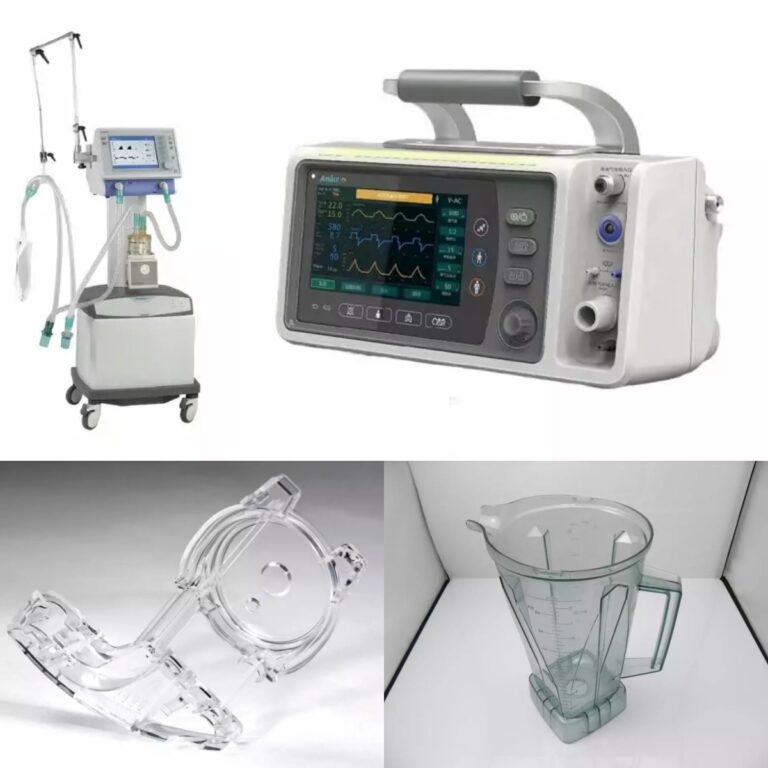
Key Metrics to Consider for Future Partnerships
We must evaluate our suppliers based on specific criteria: precision in manufacturing, speed of delivery, and adaptability to changing requirements. Are they equipped to handle appropriate quality controls? Can they respond swiftly to regulatory changes? What innovations do they bring to the table? These factors will significantly influence our success.
Reflecting on my own experience, I remember a project where meeting regulatory timelines was a nightmare due to unreliable suppliers. Partnering with a top-tier injection molding provider completely reshaped that narrative, allowing timely market entry and bolstering our reputation. So, as you contemplate your next steps: choose wisely. Your patients depend on it.
To bring this all home, real advancements in healthcare depend on forging strong alliances with reliable partners in the manufacturing space. Never underestimate the impact of a skilled Livepoint Mould supplier in your journey toward delivering superior medical products.