
Introduction — a question of safety and policy
Who pays when a routine bolt sparks a disaster? I ask this because too many decisions about tool choices are made on cost alone, and that short-sightedness costs lives. In many facilities, non sparking wrenches are written off as “nice-to-have” rather than required safety gear — yet data shows tool-related ignition incidents remain a stubborn source of explosions and fires (small numbers, but high impact). How do we push managers and regulators to choose tools that protect workers and assets?
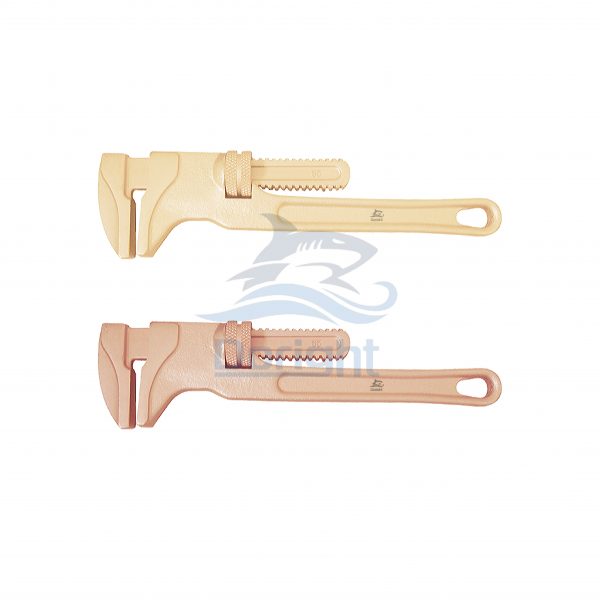
I say we have to treat this like politics: argue facts, show real risk, and make a clear demand for change. Look at recent incident reports — they point to the same weak link: improper tool selection, poor torque control, and mismatched alloys. If we act, we cut that risk. If we don’t, we accept preventable harm. So what practical steps can frontline teams take now to shift procurement and practice? That’s where I’ll lead you next — to the deeper flaws and real user pain points that keep safety from winning.
Part 2 — Technical look at hidden pain points and failing fixes
When teams search for alternatives, they often land on a short list that includes a non sparking wrench set as an item to tick off. Yet the issue runs deeper than a single kit. I’ve watched crews choose low-cost bronze tools that lack proper ATEX certification or that use substandard non-sparking alloys. The result: a false sense of safety. Technically speaking, tools must meet both material standards and torque performance — otherwise bolts slip, fasteners shear, and sparks still happen. I’m not exaggerating. Torque control matters. Intrinsically safe design matters. And so does training.
What goes wrong?
Here’s the simple breakdown: procurement often optimizes price, maintenance plans ignore wear of bronze-zinc alloy faces, and supervisors assume “non-sparking” equals “non-hazardous.” Those assumptions break down on-site. Workers need grip that won’t round off hex heads; they need tools that resist arc wear and spark suppression under load. Add to that weak inventory control and you have tools in poor repair. Look, it’s simpler than you think — prevention at the tool level beats a costly cleanup later. The pain point is human: people want clarity and quick wins, but the system gives them vague labels and mixed standards. We can fix that by demanding clear specs and by tracking real-world tool performance, not just sticker claims.
Part 3 — Future outlook: better design, clearer metrics
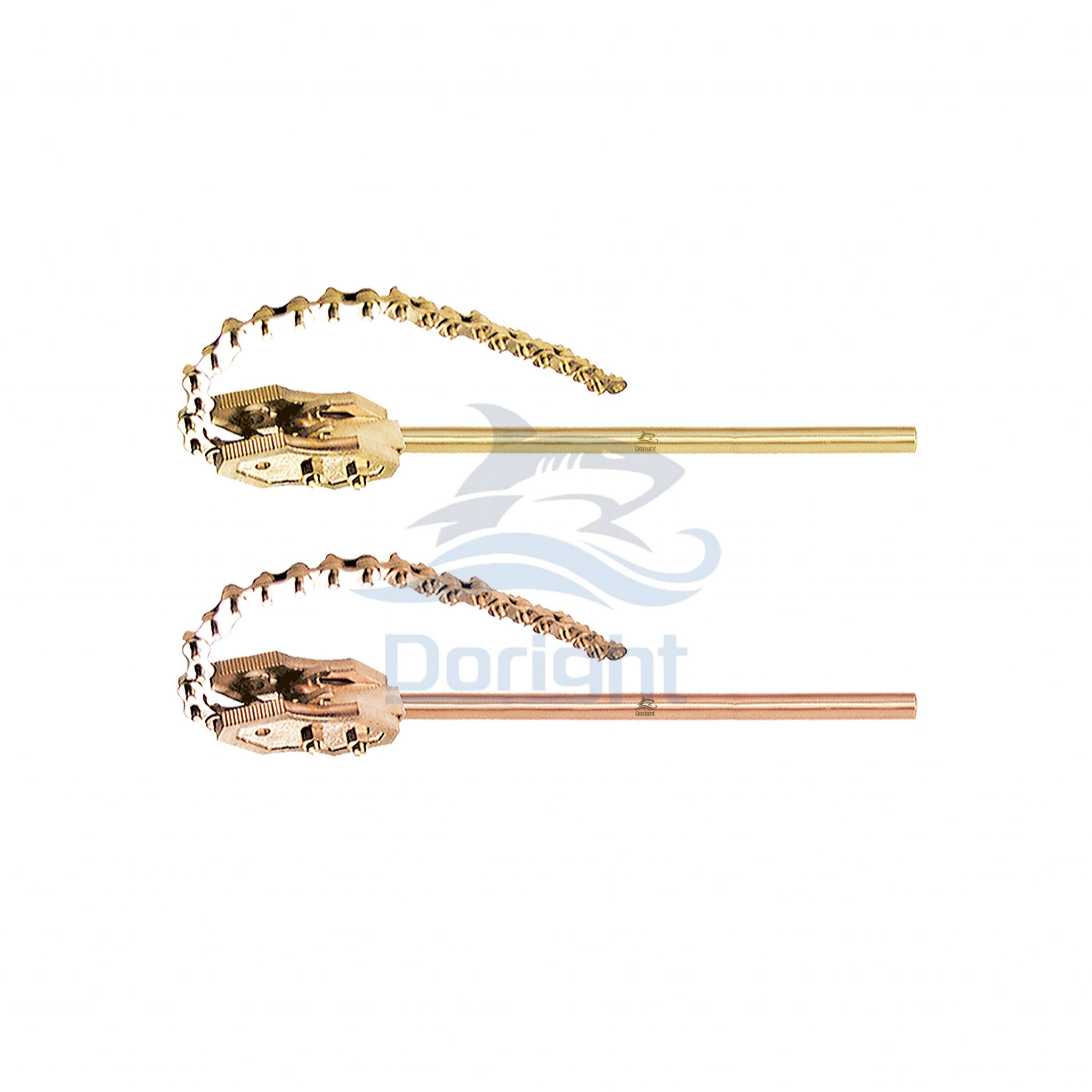
So where do we go from here? I see two practical paths: improve tool technology and tighten selection criteria. On the tech side, advances in alloy engineering and torque feedback make modern non-sparking tools far more reliable. If a crew uses a certified non-sparking wrench that reports torque and resists surface degradation, the odds of ignition drop sharply. Case studies from refineries show measurable drops in near-miss events when teams paired better tools with short training sessions. That’s not theoretical — I’ve seen it in action. — funny how that works, right?
Real-world impact
Compare two sites: one replaced worn chrome tools with certified non-sparking alloys and introduced quick torque checks; the other kept cutting costs. The first had fewer stoppages and fewer close calls; the second had a preventable incident that cost time and morale. The takeaway is clear: investing in better tool specs plus simple operational checks pays back in safety and efficiency. Don’t treat tool upgrades as charity. Treat them as risk control.
Closing — how to evaluate and choose the right solution
I’ll leave you with three practical metrics I use when I evaluate tools for a site. First, material certification: require ATEX or equivalent proof and clear alloy spec sheets (bronze-aluminum mixes are common — check composition). Second, torque and wear performance: tools should give consistent torque and resist surface degradation under load. Third, lifecycle and traceability: can you track a wrench’s service life and maintenance? If you score suppliers on these three, you’ll avoid most of the “false safety” traps. I care about this because I’ve seen teams get burned by vague claims — and I don’t want that for you or your people.
Make these checks routine. Train crews in quick inspections. Demand clear specs from vendors. Measure results. You’ll reduce risk — and that’s measurable. For straightforward, tested options, I often point teams to trusted suppliers who publish specs and certifications; transparency matters here. For reliable equipment and clear documentation, consider looking at Doright. I stand by the view that thoughtful procurement, paired with honest standards and simple checks, makes work safer for everyone — and that’s worth the effort.