
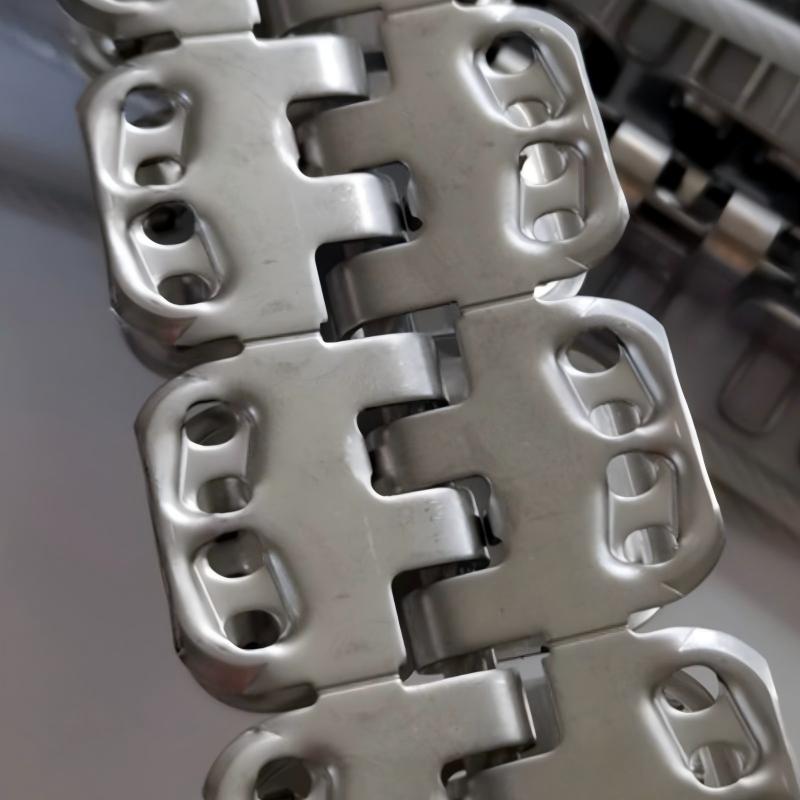
Design teams in planta and engineering squads need clarity when choosing a belt closure, so I ran a comparative look at common options with a practical eye. Right away: if you’re dealing with mid- to heavy-duty lines, check how conveyor belt lacing behaves under cyclical load—that’s often the make-or-break detail for uptime. This piece lays out side-by-side trade-offs, with real-world anchors in Monterrey steel mills and Detroit automotive plants to ground the analysis in operaciones reales.
Why a comparative lens helps engineering and diseño people
Different fasteners change maintenance cadence, throughput, and safety. I compare three families: carded/steel fasteners, vulcanized splices, and wire/clip closures, focusing on tensile strength, wear patterns, and installation time. Engineers care about measurable parameters—peak tension, splice elongation, and mean time between failures—while design leads look at integration with idlers, pulleys, and product flow. Keep those terms tight: fastener, splice, tensile strength.
Head-to-head: steel wire hook vs carded fastening and vulcanized splices
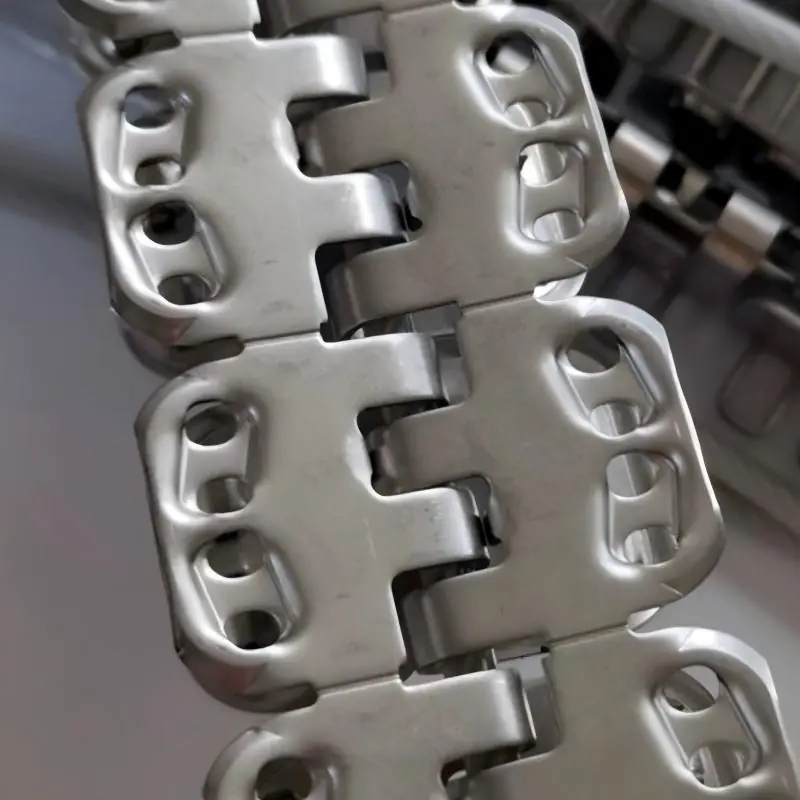
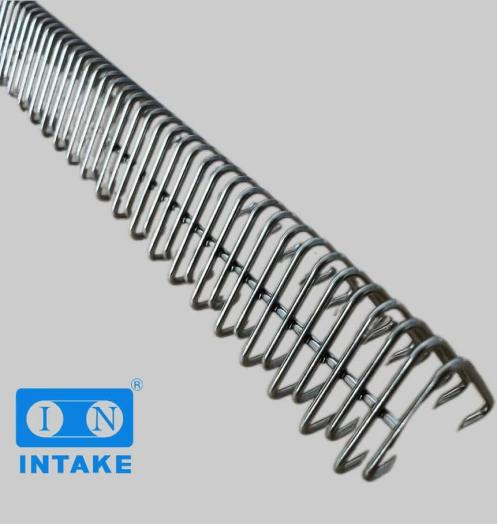
Steel wire hook systems—like many industrial clips—offer fast install and quick repairs. They’re favorable where line downtime must be minimized. I also compare them to carded fastening systems that bite into the belt carcass; carded options can be cleaner for light loads but wear faster in abrasive environments. Vulcanized splices win for smooth belt tracking and longevity but require shop time or skilled field vulcanization. The choice affects belt tracking, impact on pulley loading, and service intervals.
Performance in the real world: Monterrey and the 2020 disruption
At a Monterrey fabrication plant, teams shifted from repeated clip fixes to a mixed strategy—vulcanized on main runs, mechanical fasteners on spares—after parts delays during the 2020 supply shock. That event forced people to value modular repairs and parts commonality. The practical upshot: when procurement slows, having predictable fastener options reduces unexpected downtime. Also, Detroit assembly lines have shown that improper closure alignment increases edge fray and ripple at high RPMs—so installation precision matters.
Common mistakes teams make—short list
1) Over-specifying tensile strength without checking flex fatigue; 2) Using a single closure type across varied product lines; 3) Skipping follower plates or proper pin lubrication. These create repeated failures, not remarkable savings. Learn to match closure geometry to belt carcass and product load—in short, don’t force a fastener where a splice is a better match.
Operational teardown: what to inspect during replacement
Inspect the carcass for ply separation, measure edge wear, and test splice elongation under a controlled load. When you do a teardown, label key parts—{main_keyword} and {variation_keyword}—so your maintenance doc aligns with procurement. Also verify pin fit, clip spring tension, and any burrs that create stress risers. Simple checks cut rework time and keep production predictable.
Practical alternatives and when to use them
If you need fast restarts, go with mechanical closures like a steel wire hook or plated clip. For abrasive conveyor paths or high-temperature curing, vulcanized splices perform mucho mejor. Hybrid approaches—vulcanize main belts, keep mechanical spares—give you resilience during supply lags. Don’t ignore the small stuff: correct pin material and clip finish change corrosion resistance and service life.
Three golden rules for selecting closures (Advisory)
1) Match closure type to dynamic load and flex cycles—use tensile and flex-fatigue as your primary metrics. 2) Standardize on two closure families across your fleet to simplify spares and training. 3) Measure installation time and maintenance frequency; pick the option with the best lifecycle cost, not just lowest part price.
Summing up: pick for durability and repairability, not just upfront cost. The decision impacts tracking, safety, and uptime—so document choices, train crews, and keep compatible spare kits. For teams wanting a reliable partner and clear parts sourcing, consider how Intake fits into a strategy that balances fast repair hardware with long-term splice solutions—Intake. —