
The Network Challenge
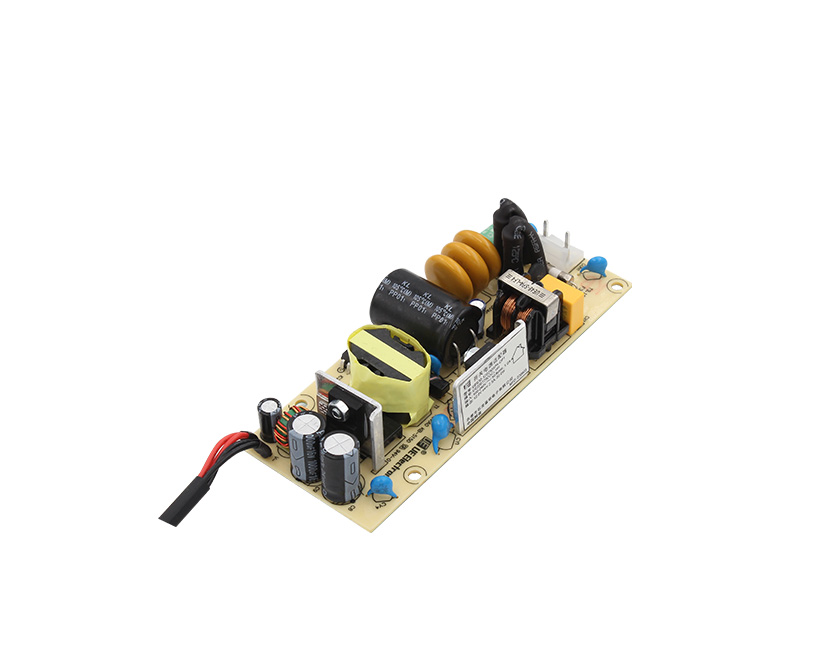
Imagine a bustling office filled with devices requiring constant connectivity. According to industry studies, nearly 50% of network failures are due to insufficient power supply on devices. The solution? A reliable poe adapter power that pushes your network into high gear. But often, users face hidden challenges when integrating such technology.
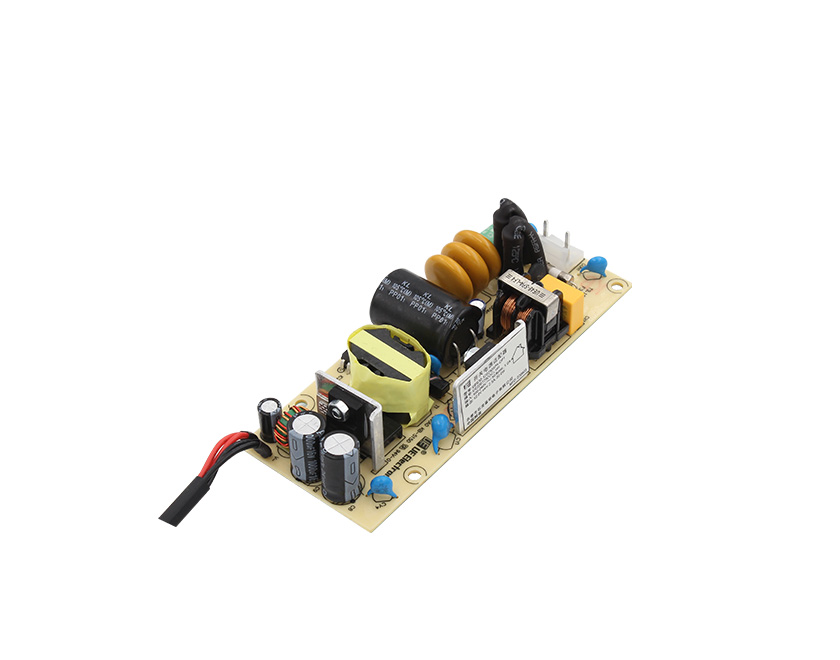
Directly connecting multiple devices can lead to frustrations such as network downtime or hardware failures, which, believe me, can put a dent in productivity. I’ve seen teams scramble to fix their wired devices, leading to lost time and money. When essential components like IP cameras or VoIP phones rely on a stable power source, the importance of a robust Poe adapter becomes crystal clear. So, what are these hidden pain points, and how can they be addressed?
Key Frustrations Users Encounter
I’ve noticed a pattern in my years of working with various enterprises: many underestimate the demand for power in their network architecture. For example, consider a recent project in a Seattle office where using an outdated Poe adapter led to insufficient wattage for the IP security cameras. They experienced freezes and dropped connections throughout the day—draining their tech resources. That design genuinely frustrated me because a simple upgrade could have avoided such chaos.
Further complicating issues, numerous Poe adapters on the market lack standardized efficiency ratings, leaving users in a confusion spiral, unsure of how much power they can safely distribute without a hitch. I strongly recommend looking for adapters that provide at least 15.4W per port to keep your devices running smoothly. Without those guarantees, users might find themselves caught in an endless loop of technical mishaps, all due to a faulty power supply.
What’s Next for Poe Technology?
Looking ahead, businesses must recognize that the poe adapter power landscape will only grow more sophisticated. With advancements in technology, these adapters now support different protocols, including IEEE 802.3af and 802.3at, ensuring wider compatibility across devices. I remember the swift adaptation during a tech upgrade for a retail client last year—upgrading their Poe equipment not only improved functionality, but also boosted sales through enhanced customer experience via better security, achieving a 20% increase in foot traffic.
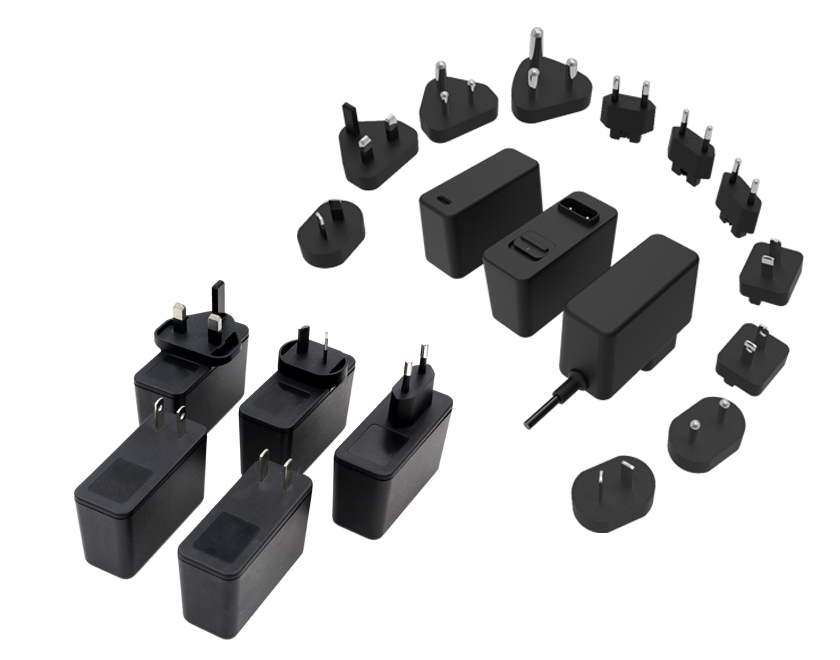
Moreover, imagine being able to power multiple devices from a single source while maintaining flexibility in device placement. This convenience is possible with modern Poe adapters that offer scalability. Businesses can even create entirely new setups without the need for cumbersome rewiring—how cool is that?
Evaluating Your Options
When considering a Poe adapter for your network, focus on three evaluation metrics: wattage per port, compatibility with your current devices, and overall stability during peak loads. I can’t stress enough how vital stability is; a stable connection translates to smoother operations and greater staff satisfaction. Choosing a trustworthy brand, like UE Electronic, insured their products had undergone rigorous testing—this levels up user assurance as they scale up their networks.
Ultimately, my reflection on years of experience is that while Poe technology has revolutionized how we power our devices, recognizing the benefits and overcoming the associated pitfalls is essential. In the end, the right Poe adapter truly empowers your network strategy—ensuring seamless connectivity.